A comparison between India’s flagship electric SUVs, their skateboard architecture and real-world charging capabilities.
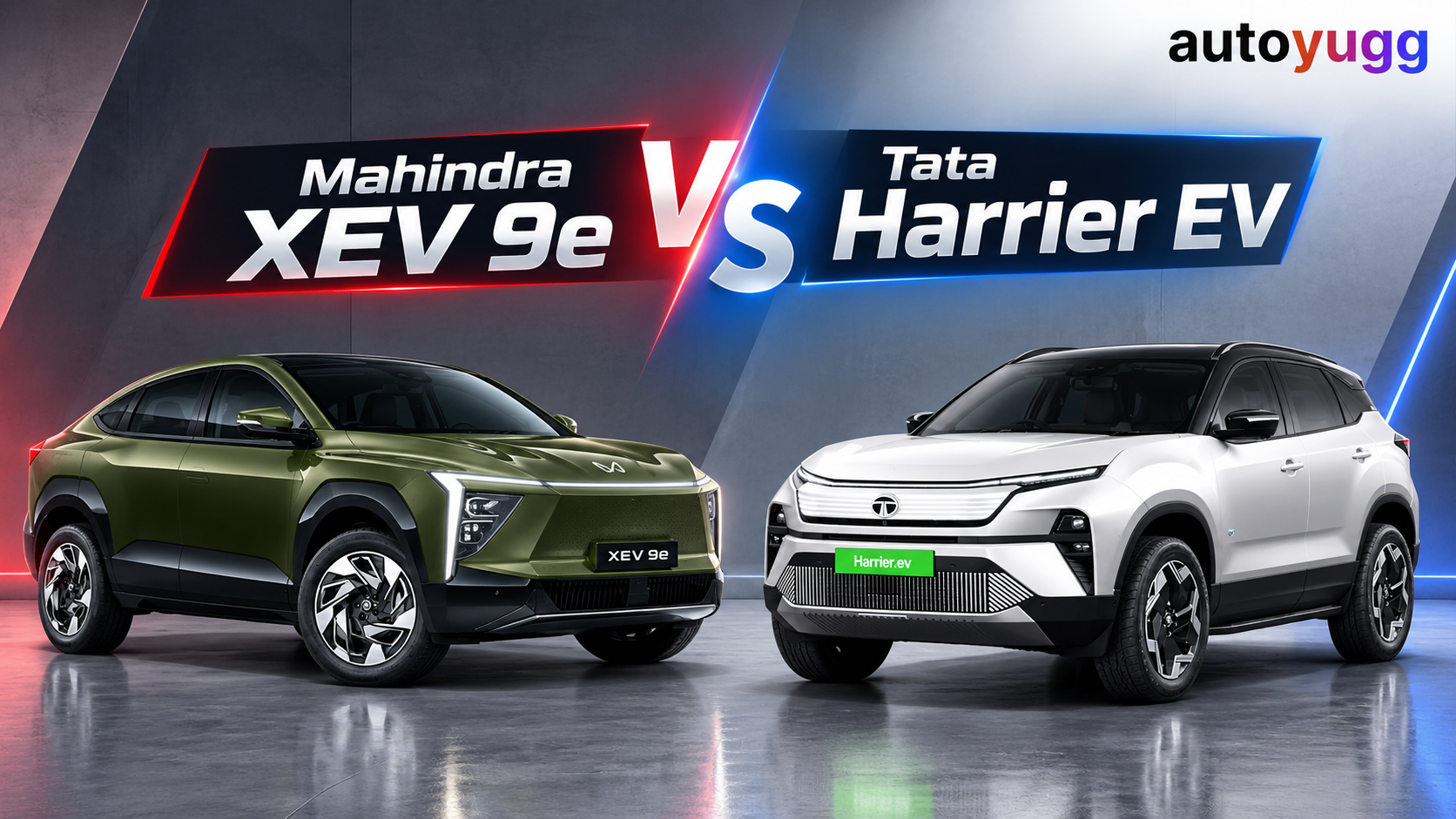
Both Mahindra and Tata offer their flagship electric SUVs within the ₹25 lakh to ₹31 lakh ex-showroom bracket. The Mahindra XEV 9e offers high cargo volume, rear-wheel-drive dynamics and 180 kW charging capability for its purpose-built INGLO platform. Conversely, Tata’s Harrier EV offers rough-road resilience, 600 mm water wading capability and dual-motor all-wheel-drive traction. We take a look at the core differences between the two here to help you decide whether you want Mahindra’s digital luxury or Tata’s upright SUV practicality.
Dimensions and Storage Capacities
The XEV 9e is longer than the Harrier EV, but the Harrier EV has a taller profile.
| Dimensions and Practicality | Mahindra XEV 9e (79 kWh) | Tata Harrier EV (75 kWh) |
| Length | 4,789 mm | 4,607 mm |
| Width | 1,907 mm | 1,922 mm |
| Height | 1,694 mm | 1,740 mm |
| Wheelbase | 2,775 mm | 2,741 mm |
| Ground Clearance (Unladen) | 207 mm (218 mm at battery) | 205 mm |
| Water Wading Depth | Not Stated | 600 mm |
| Rear Boot Volume | 663 litres | 502 litres |
| Front Trunk (Frunk) Volume | 150 litres | 67 litres (RWD) / 35 litres (QWD) |
Note: The XEV 9e offers 244 litres more total luggage capacity than the two-wheel-drive Harrier EV.
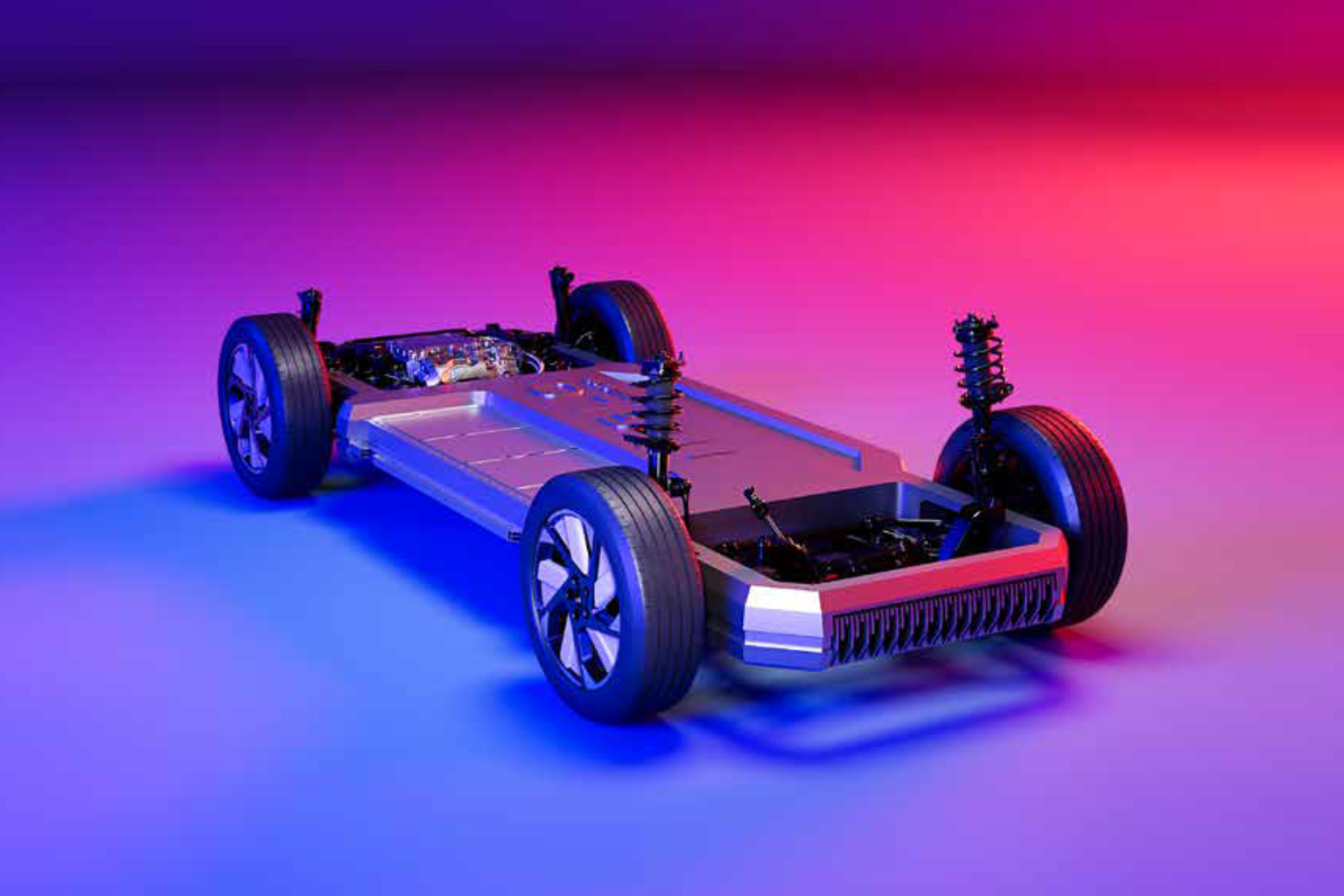
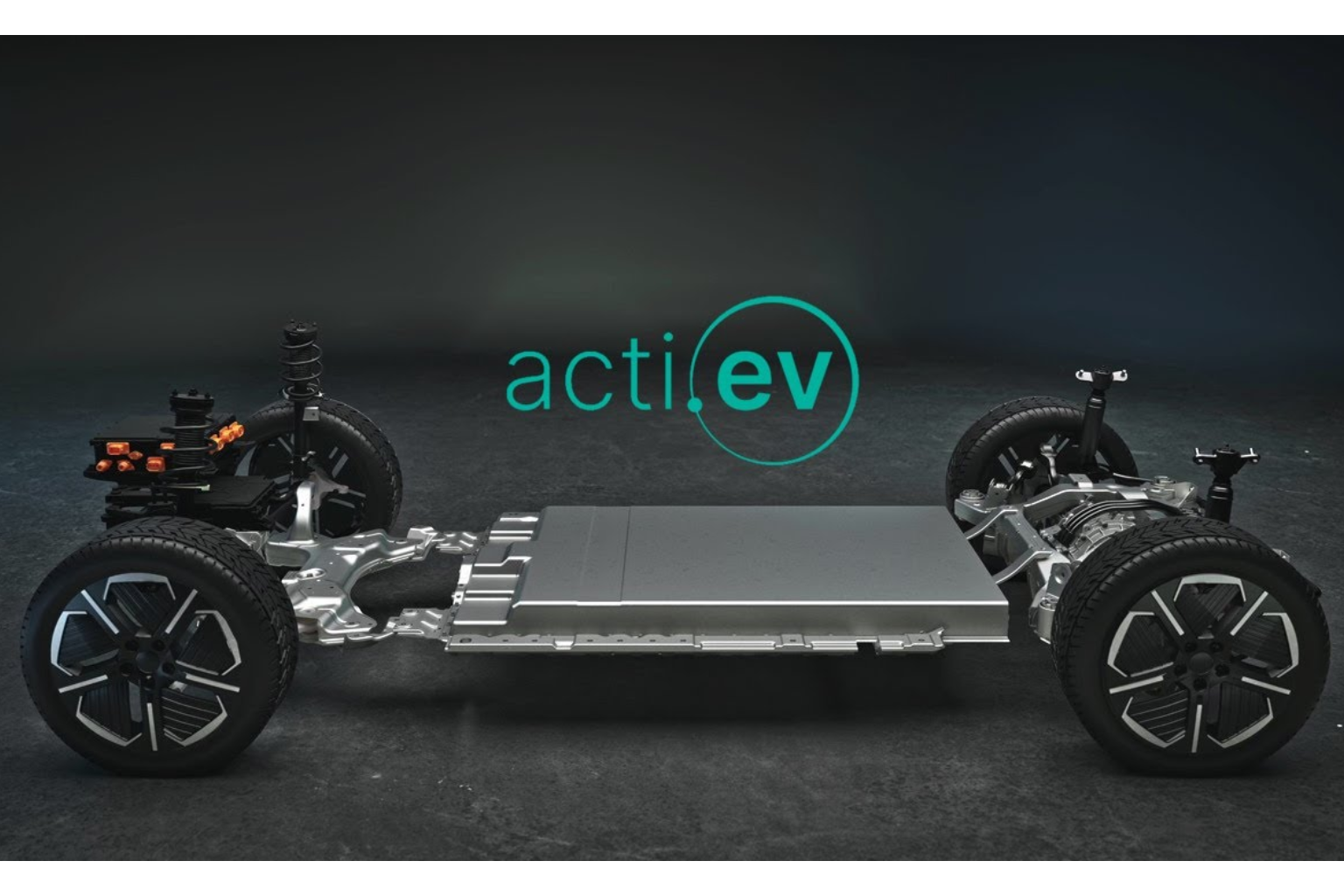
The XEV 9e gets Mahindra’s dedicated INGLO electric skateboard platform, which pushes the axles outward to generate a 2,775 mm wheelbase. There’s also a 150-litre front trunk equipped with an internal drain hole, allowing owners to wash out dirty, store charging cables or keep their muddy sporting gear. But its sweeping aerodynamic coupe roofline drops sharply past the B-pillar, reducing rear headroom for taller occupants.
The Tata Harrier EV sticks to an upright profile instead. It stands 46 mm taller than the XEV 9e, which returns higher headroom for rear passengers. For monsoon conditions, the Harrier EV gets an official water wading depth of 600 mm to protect its IP67-rated battery pack.
At the same time, its traditional two-box design gives up front trunk volume a lot in the QWD version. However, it can accommodate bulky rectangular boxes more easily than the sloping rear tailgate of the XEV 9e.
Powertrain, Drivetrain and Performance
While the powertrains offer different output numbers, their battery packs have a similar range.
| Powertrain Specification | Mahindra XEV 9e (79 kWh) | Tata Harrier EV 75 (RWD / QWD) |
| Battery | 79 kWh | 75 kWh |
| Motor | Single Rear Motor (RWD) | Single Rear Motor (RWD) / Dual Motor (QWD) |
| Power | 210 kW (282 bhp) | 175 kW / 235 bhp (RWD) or 291 kW / 390 bhp (QWD) |
| Torque | 380 Nm | 315 Nm (RWD) / 504 Nm (QWD) |
| Claimed Range (MIDC) | 656 km | 627 km (RWD) / 622 km (QWD) |
| Real-World Range (Tested / C75) | 480 to 510 km | 480 to 505 km (RWD) / 460 to 490 km (QWD) |
The rear-wheel-drive balance of the XEV 9e keeps its steering precise and stable under hard acceleration. Its suspension is equally focused on road control, pairing a MacPherson Strut with i-Link and a 5-link independent rear axle. The Pack Three variant gets an electronically controlled semi-active damper system, which actively stiffens the dampers during high-speed lane changes to reduce the body roll typical of heavy electric vehicles.
In comparison, the Tata Harrier EV provides two mechanical formats: a rear-wheel-drive setup or an advanced QWD dual-motor all-wheel-drive system. The QWD variant uses a high-performance induction motor on the front and a permanent magnet motor at the rear. You get six settings under a dedicated terrain mode selector.
Overall, the Harrier EV focuses on rough-road traction and all-weather capability, while the XEV 9e is more of a city, and long distance highway cruiser.
Cabin Technology, Safety Hardware and Variant Distribution
We have listed how both vehicles compare with their tech kits and safety essentials.
| Cabin and Safety Equipment | Mahindra XEV 9e (79 kWh) | Tata Harrier EV (75 kWh) |
| Display | Triple 12.3-inch Panoramic Screens | 10.25-inch Cluster + 14.5-inch Samsung Neo QLED (12.3-inch Harman touchscreen on the Fearless+ 75) |
| Audio | 16-Speaker Harman Kardon (Dolby Atmos) | 10-Speaker JBL Black (Subwoofer + Centre) |
| Airbags | 6 Airbags (Pack Two) / 7 Airbags (Pack Three) | 7 Airbags Standard (Knee Airbag included) |
| ADAS | 1 Radar + 1 Camera (Pack Two) / 5 Radars (Pack Three) | Level 2 ADAS Suite (22 Features on Empowered) |
| Parking | 360 Camera / Full Auto Parking (Pack Three) | 540-Degree Transparent View + Auto Park Assist |
| Driver Convenience | Vision X AR Head-Up Display (Pack Three) | HD Digital Rear View Mirror with Integrated DVR |
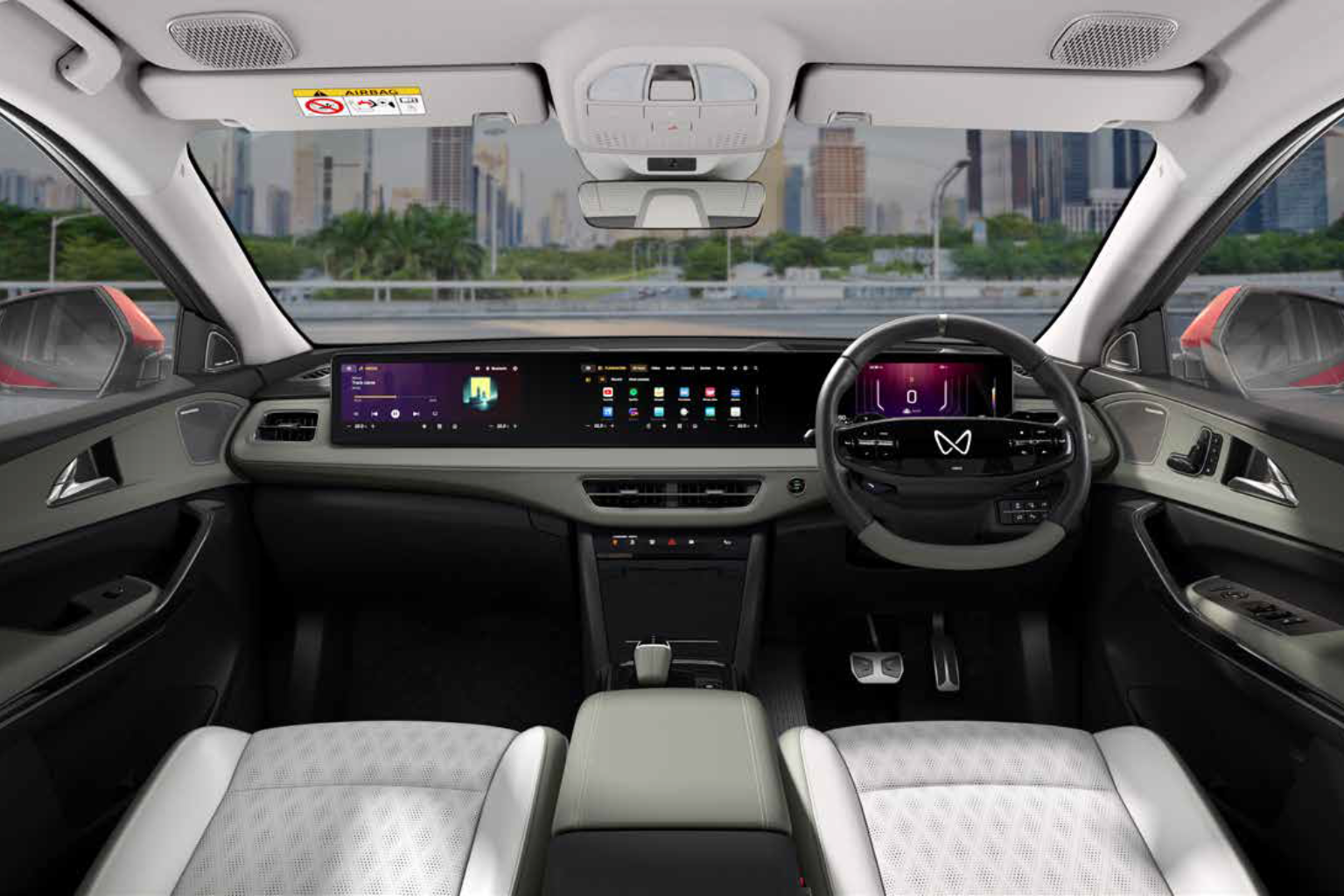
Mahindra offers its 79 kWh battery across three trim levels: Pack Two, Cineluxe and Pack Three. The dashboard layout has three continuous 12.3-inch displays covering the digital instrument cluster, central infotainment, and a dedicated front passenger entertainment monitor. Pack Two gives the core essentials, including the 16-speaker Harman Kardon sound system, dual-zone climate control and a baseline Level 2 ADAS setup. Pack Three adds four corner radars for high-speed lane changes, rear cross-traffic braking, an augmented reality Head-Up Display, front seat cooling and fully automated remote parking.
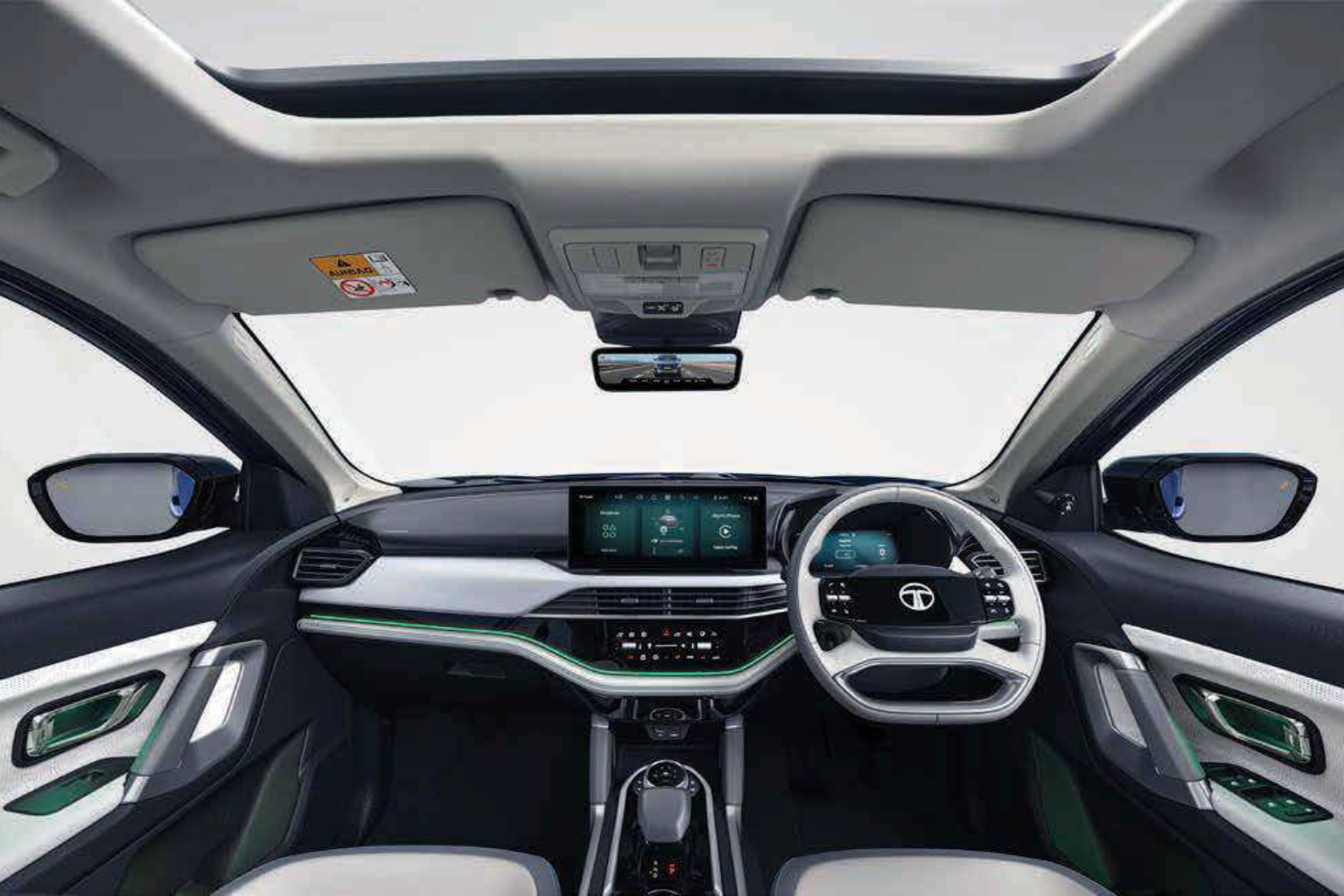
Tata equips the Harrier EV 75 kWh in Fearless+ and Empowered grades, fitting 7 airbags (including a driver knee airbag) as standard equipment across both trims. The Fearless+ includes front ventilated seats, an 8-way powered driver seat with memory and a 10-speaker JBL sound system. The flagship Empowered trim introduces a 14.5-inch cinematic touchscreen powered by Samsung Neo QLED technology, displaying higher contrast ratios in direct sunlight than conventional LCDs. It also features Auto Park Assist with remote summon, a 540-degree surround camera that projects a transparent view beneath the chassis, and an electronic rear-view mirror.
Both vehicles are fairly well equipped when we consider their technology suites.
Price Hierarchy, Running Costs and Variant Lineup
There are three select variants of the XEV 9e’s 79 kWh version, which reaches as high as ₹30.50 lakh.
| Variant and Drivetrain | Ex-Showroom Price | Key Drivetrain and Equipment Highlights |
| Pack Two 79 kWh (RWD) | ₹26.50 Lakh | 79 kWh, 282 bhp RWD, triple-screen layout, Harman Kardon 16-speaker system, Level 2 ADAS |
| Cineluxe 79 kWh (RWD) | ₹29.35 Lakh | 79 kWh, Harman Kardon 16-speaker system, Custom Drive Modes |
| Pack Three 79 kWh (RWD) | ₹30.50 Lakh | 79 kWh, 282 bhp RWD, triple-screen layout, Harman Kardon 16-speaker system, Level 2 ADAS, premium Pack Three equipment |
The Harrier EV has a much, much longer list of variants in comparison, even though its costliest variant is still slightly cheaper than the XEV 9e’s top trim. Also, note that we haven’t listed all the variants of the Harrier EV 75 kWh below.
| Variant and Drivetrain | Ex-Showroom Price | Key Drivetrain and Equipment Highlights |
| Fearless+ 75 (RWD) | ₹25.29 Lakh | 75 kWh, 238 PS RWD, JBL 10-Speaker, 360° 3D Surround View Camera |
| Fearless+ 75 AWD | ₹26.79 Lakh | 75 kWh, QWD Dual-Motor Setup, Boost Mode, Off-Road Assist, 6 Terrain Modes |
| Empowered 75 (RWD) | ₹27.79 Lakh | 75 kWh, 238 PS RWD, Level 2 ADAS, Auto Park Assist, 14.53-inch Samsung Neo QLED display |
| Empowered AWD 75 | ₹29.29 Lakh | 75 kWh, QWD Dual-Motor Setup, Boost Mode, Off-Road Assist, 6 Terrain Modes |
| Empowered AWD 75 ACFC | ₹29.79 Lakh | 75 kWh, QWD Dual-Motor Setup, 7.2 kW AC Fast Charger, Boost Mode, 6 Terrain Modes |
In terms of running costs, both vehicles deliver real-world cruising ranges between 460 and 510 kilometres per full charge. Recharging either battery pack with a domestic 7.2 kW AC connection at an average electricity tariff of ₹8 per unit means you have a full-charge expense of roughly ₹600 to ₹630. It’s a running cost of ₹1.20 to ₹1.35 per kilometre.
AutoYugg Verdict: Which Electric Flagship Should You Buy?
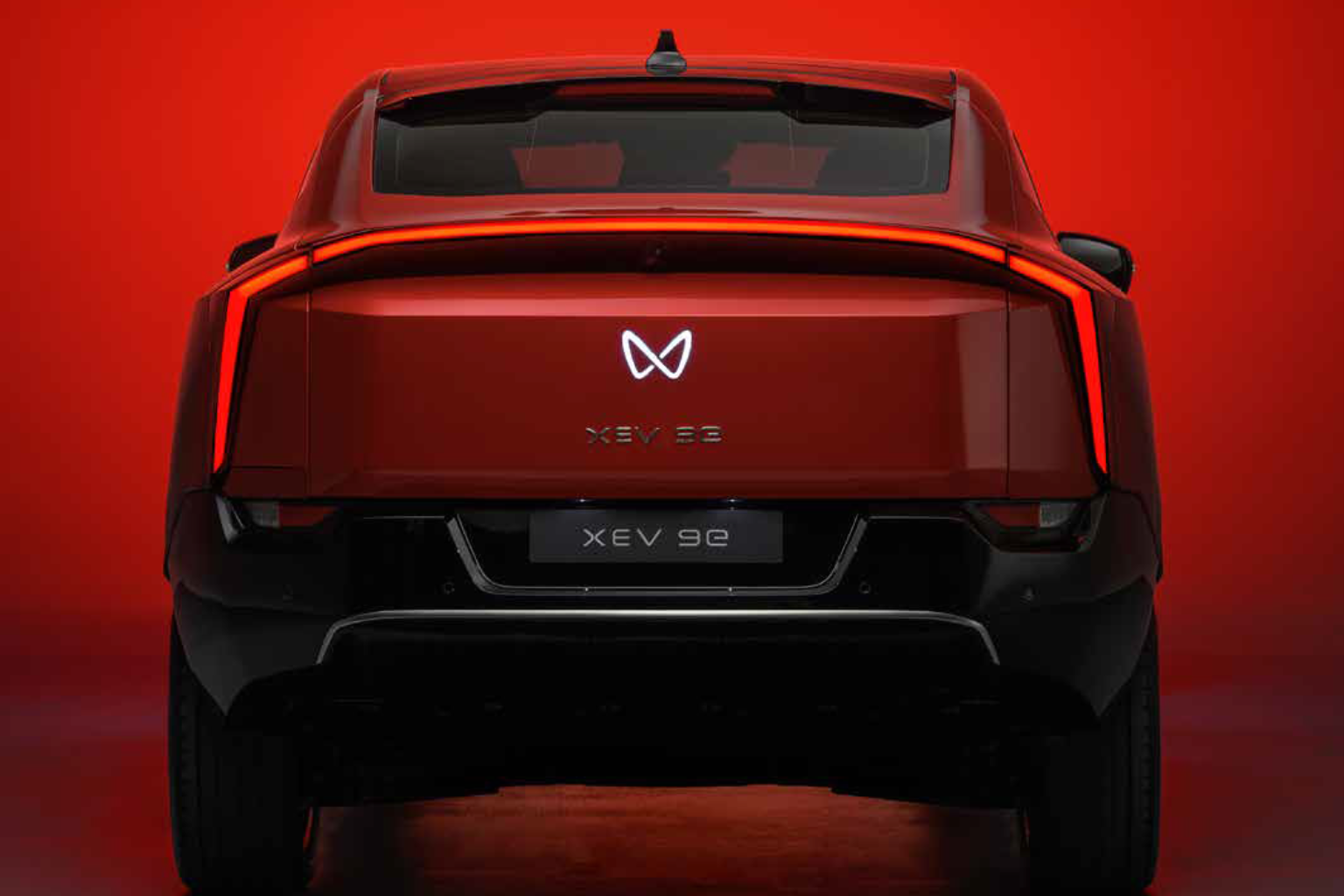
The Mahindra XEV 9e 79 kWh is the logical purchase if your driving consists primarily of highway cruising, family road trips and urban commuting where on-road refinement is important. Its purpose-built electric platform offers 813 litres of combined storage, a 10.0-metre turning circle and an ultra-fast 180 kW charging capacity.
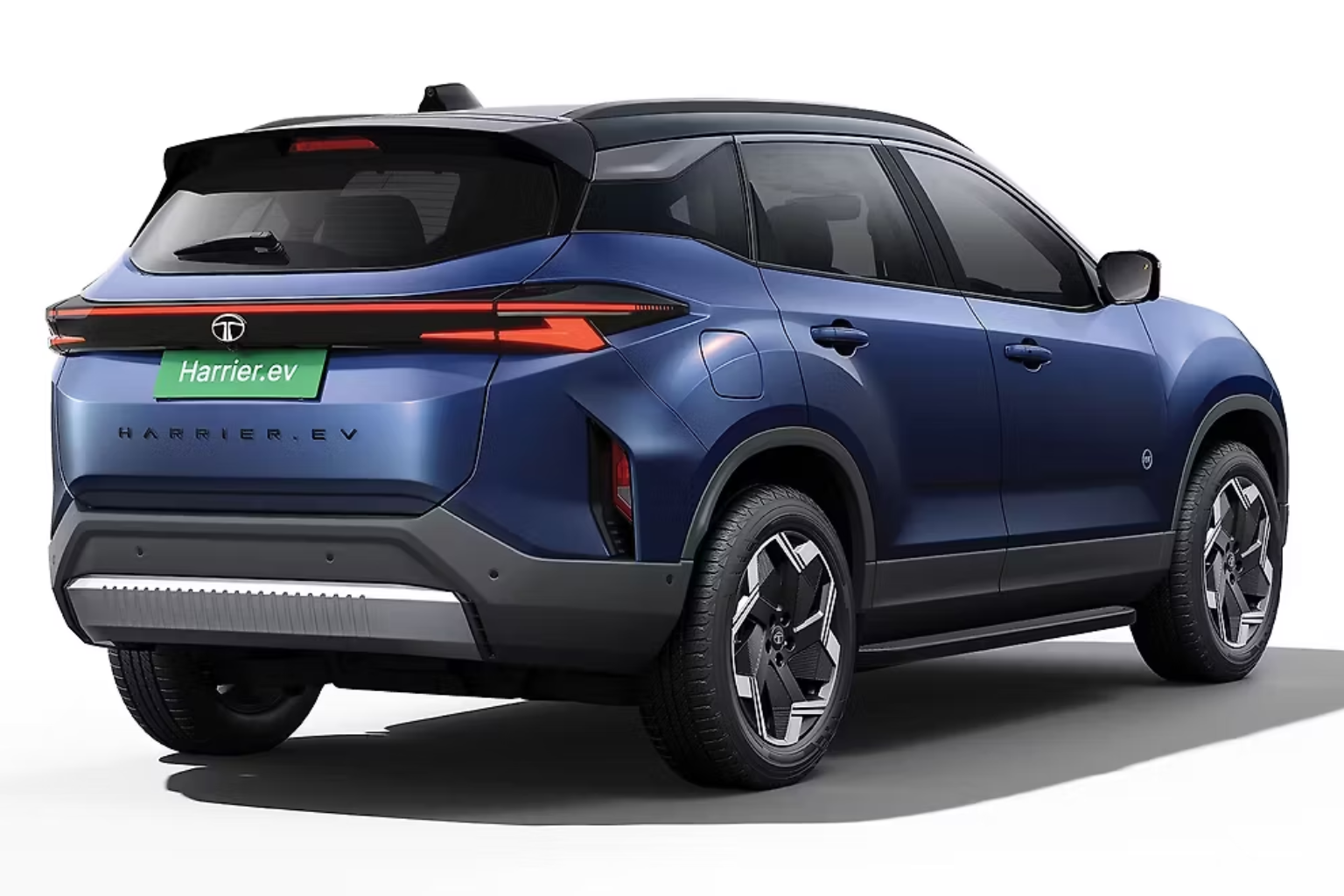
The Tata Harrier EV 75 kWh makes more sense if you frequently encounter broken country roads, flooded monsoon streets, or uneven terrain where low-slung coupe SUVs risk underbody damage. You also get 600 mm of water-wading clearance, standard 7 airbags and 3.3 kVA Vehicle-to-Load functionality.
Overall, go for the XEV 9e 79 kWh if you want coupe styling and rapid charging. Otherwise, get the Harrier EV 75 kWh if you want true all-wheel-drive traction, which the XEV 9e doesn’t have.