Investor Day roadmap outlines new launches, production expansion, and ambitious EV growth targets through FY31.
Tata Motors has outlined its future product strategy for the Indian passenger vehicle segment, where it plans to expand its ICE and EV lineup by FY31. The automaker has revealed in its Investor Day presentation that it is looking to introduce 15 ICE and 10 EV models over the next five years. The product plan is expected to be executed through new launches, multiple facelifts, increased production capacity, and an aggressive powertrain strategy.
The product plan reiterates Tata Motors’ strategy of consolidating its leadership position in electric vehicles while strengthening its portfolio of petrol, diesel, and CNG-powered ICE models.
EV Portfolio To Be Expanded To 10 Models
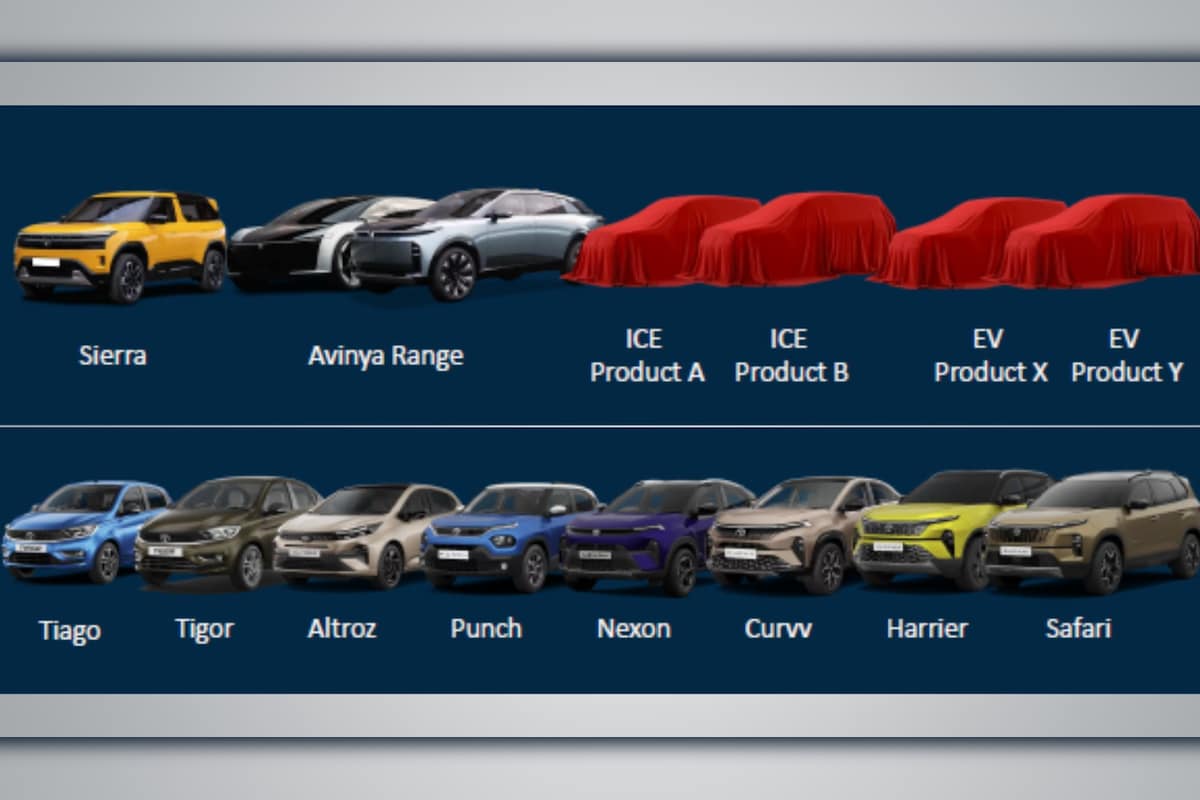
Tata Motors currently holds nearly 40 percent of India’s electric passenger vehicle market with models such as the Tiago EV, Punch EV, Nexon EV, Curvv EV, and Harrier EV. By FY31, Tata Motors plans to launch four new electric models, taking its EV portfolio to ten vehicles.
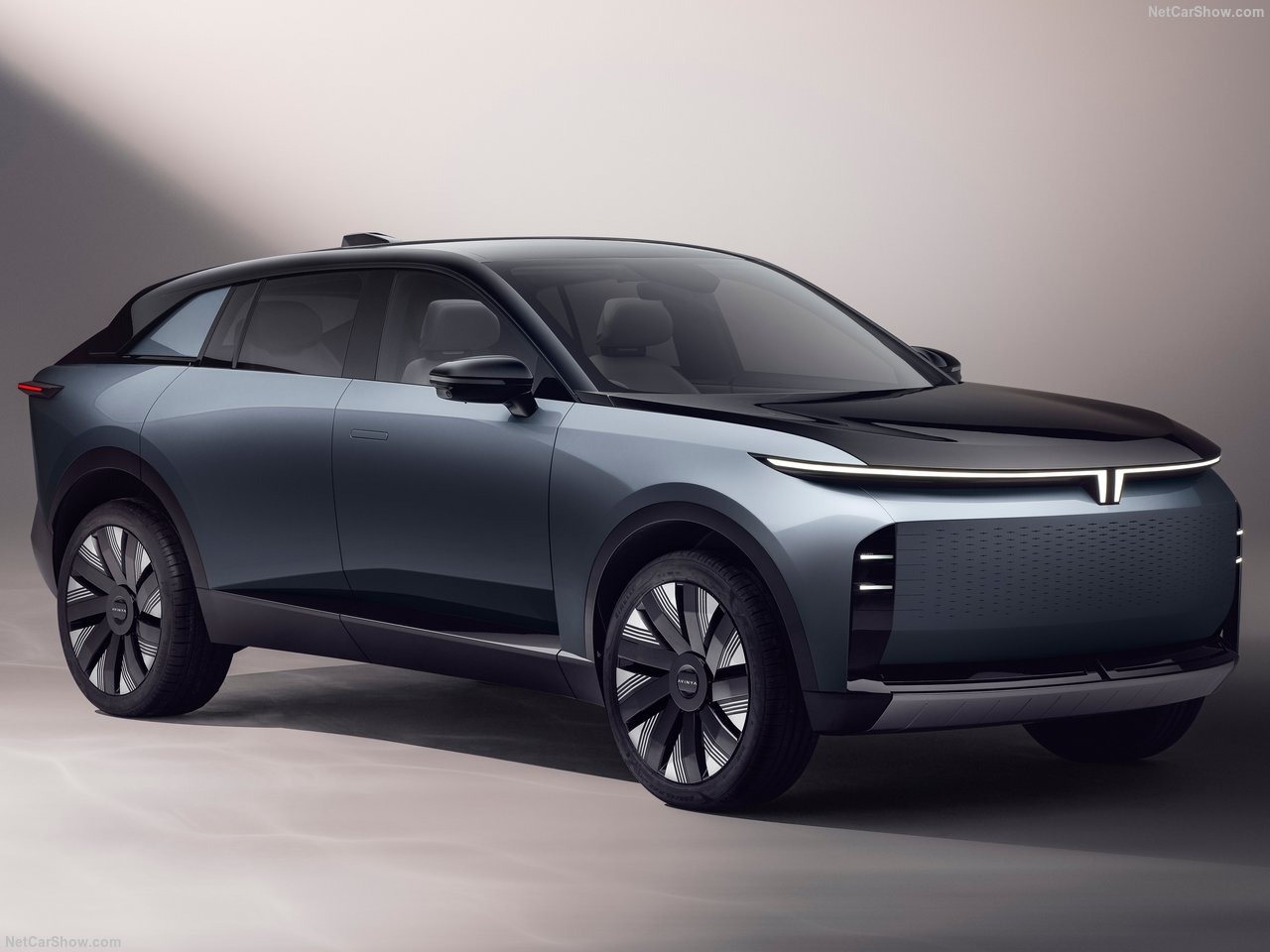
Two of these upcoming models have already been revealed. The Sierra EV is scheduled to launch on June 30, while the luxury Avinya electric SUV is expected to arrive later this year. Industry experts also speculate that the Safari EV is inevitable, as it has already been spotted testing on Indian roads. However, Tata Motors has not officially confirmed the model yet.
Another possibility for expanding the EV portfolio is Tata’s first all-electric MPV, which would allow the automaker to enter a new segment and compete with rivals such as the Kia Carens Clavis EV. Besides new products, Tata Motors will introduce more than ten refreshes and facelifts for its existing EV lineup by FY31.
Tata Plans To Expand Its ICE Model Range
At present, Tata has nine ICE passenger vehicles in its portfolio, and it expects this number to increase to 15 by FY31. The automaker will add six new ICE models to the lineup, along with more than 20 facelifts and updates during this period.
The company’s strategy will continue to revolve around offering customers a choice of powertrains, including petrol, diesel, and CNG variants.
Tata expects to have a presence in more than 80 percent of India’s passenger vehicle market and capture over 25 percent market share in every segment where it competes.
Increased Production Capacity
To achieve its product expansion goals, Tata Motors is planning to increase its annual production capacity from the current 900,000 units to 1.3 million units over the next two to three years. The company will expand its manufacturing facilities in Pune, Sanand, Ranjangaon, and Panapakkam.
The company also plans to build new manufacturing plants capable of producing multiple powertrains while increasing supplier capacity. By FY31, Tata Motors expects EVs to account for more than 30 percent of its total sales and aims to secure 25 percent of India’s CNG passenger vehicle market.