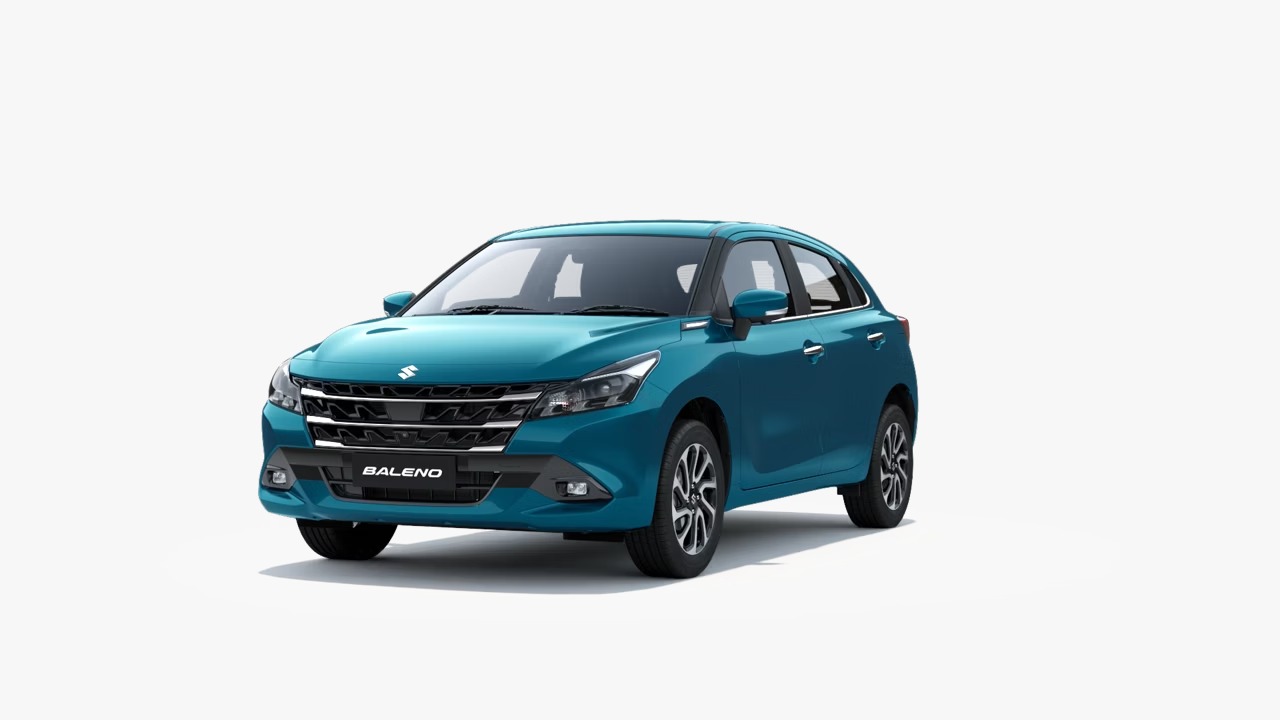
A factual comparison between Maruti Suzuki’s updated Z-Series Baleno and Hyundai’s four-cylinder i20.
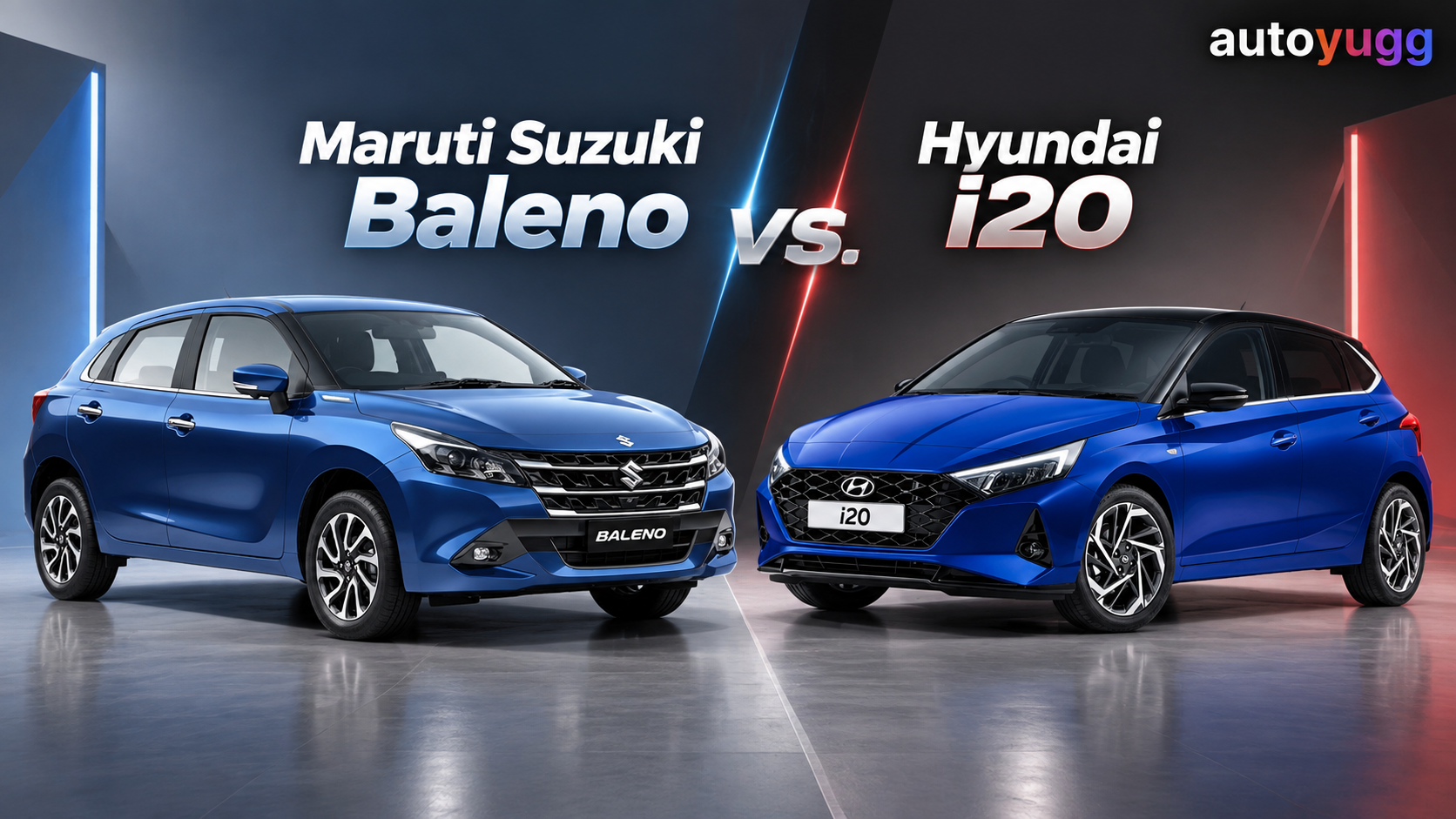
The updated 2026 Maruti Suzuki Baleno gets a new Z12E 1.2L naturally aspirated petrol engine, along with Level 2 ADAS on its top-tier Alpha(O) trim, all the while maintaining a starting price of INR5.99 lakh. In its space, there are other options as well, like the Hyundai i20, which runs on a proven 1.2L Kappa naturally aspirated petrol engine, too, with a continuous variable transmission (IVT). This vehicle’s starting price is also from INR5.99 lakh. We compare the two in this piece to find out the features listed in their spec sheets and their real-world differences.
Dimensions, Road Clearance and Luggage Practicality
Each hatchback packages passenger space and cargo accommodation within a sub-4-metre footprint.
| Dimension and Practicality | Maruti Suzuki Baleno (1.2L Petrol) | Hyundai i20 (1.2L Kappa Petrol) |
| Overall Length | 3,990 mm | 3,995 mm |
| Overall Width | 1,745 mm | 1,775 mm |
| Overall Height | 1,500 mm | 1,505 mm |
| Wheelbase | 2,520 mm | 2,580 mm |
| Ground Clearance | 170 mm | 170 mm |
| Boot Space | 318 litres | 311 litres |
| Fuel Tank Capacity | 37 litres | 37 litres |
Note: The Hyundai i20’s 2,580 mm wheelbase stretches 60 mm longer than the Baleno. You get a little bit of extra knee room for taller rear passengers.
In contrast, the i20 is 30 mm wider than the Baleno, allowing three adult passengers to sit across the rear bench with less shoulder overlap. Both cars have an identical 170 mm of unladen ground clearance, which proves sufficient for standard urban speed breakers and moderate monsoon waterlogging.
Regarding luggage space, the Baleno has a 318-litre boot compared to the i20’s 311 litres. But the practical distinction lies in the loading aperture of both vehicles. The Baleno has a deep boot well with a high loading lip, meaning users must lift heavy airport luggage upward before dropping it down into the cavity. The i20, however, gets a wider opening and a comparatively lower lip.
Overall, the Baleno provides greater cargo volume, while the i20 offers more loading convenience.
How the Two Look Different
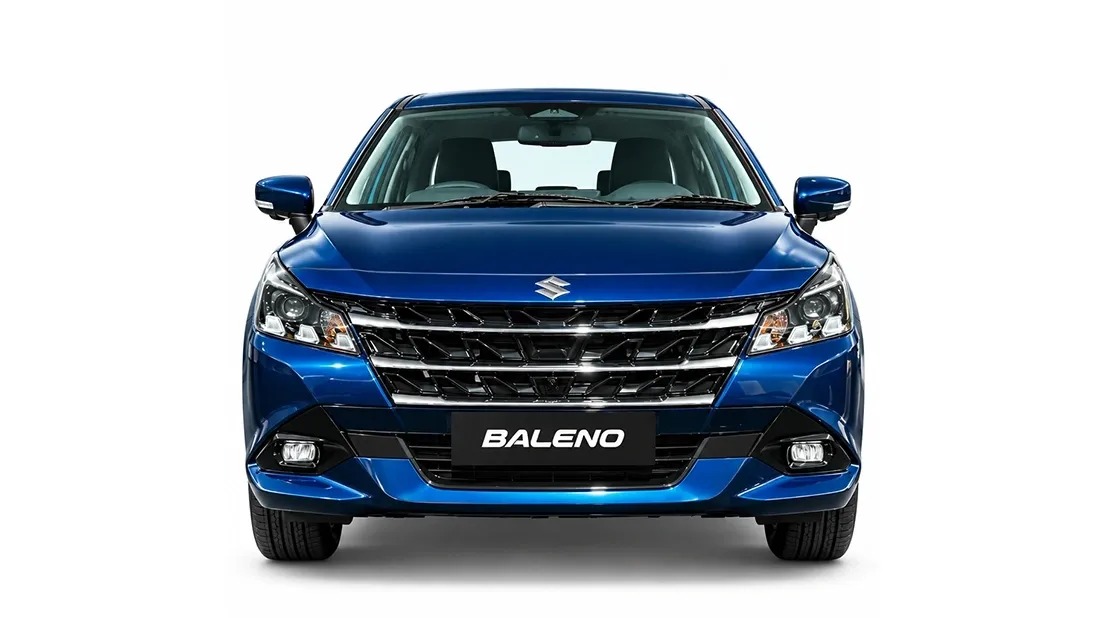
The Baleno has an upright front nose with a wide radiator grille. There’s a horizontal bar running across the face, flanked by LED projector headlamps with signature three-point LED DRLs. Due to its rounded body panels and flat window line, the glass area is maximised, giving the driver a clear view of the front corners. Buyers who favour a clean, upright look with functional visibility typically go for the Baleno.
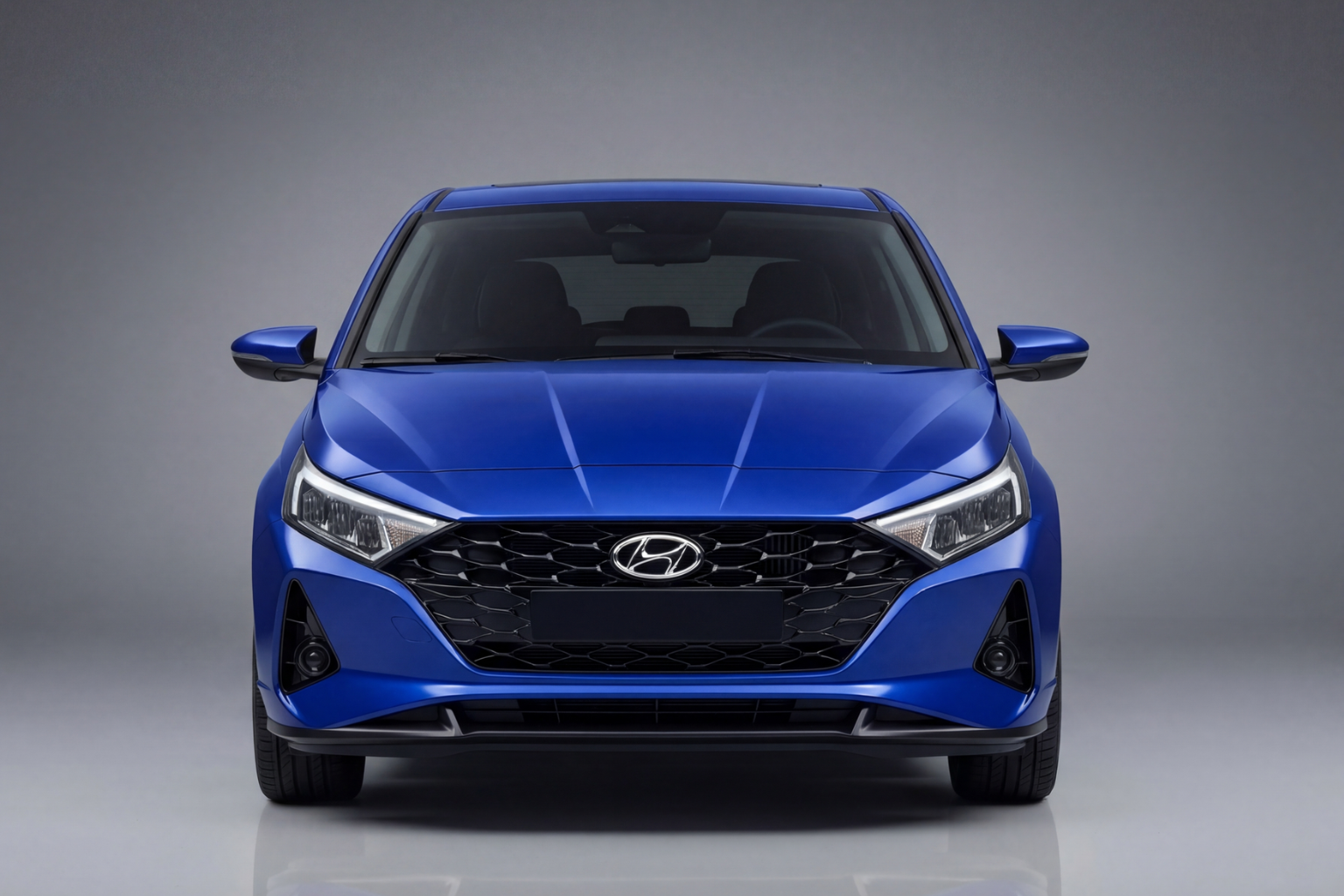
The Hyundai i20 has more of a lower, angular stance. There’s a black parametric jewel pattern grille, swept-back headlamps and a pronounced front bumper chin. The aggressive roof taper of this vehicle reduces the glass area of the rear quarter window. So, drivers may be left dealing with a blind spot when reversing out of parking slots. This vehicle attracts those who want a sharp, road-hugging look from their car.
Powertrain, Transmissions and Mechanical Hardware
While both engines are naturally aspirated, they offer different output numbers.
| Mechanical Specification | Maruti Suzuki Baleno (1.2L Z12E) | Hyundai i20 (1.2L Kappa) |
| Engine | 1.2L Z12E 3-Cylinder Petrol | 1.2L Kappa 4-Cylinder Petrol |
| Power | 81.8 bhp @ 5,700 rpm | 81.8 bhp (MT) / 86.8 bhp (IVT) @ 6,000 rpm |
| Torque | 112.4 Nm @ 4,500 rpm | 114.7 Nm @ 4,200 rpm |
| Manual Transmission | 5-speed Manual | 5-speed Manual |
| Automatic Transmission | 5-speed AMT (Automated Manual) | Intelligent Variable Transmission (IVT) |
Note: Both vehicles use 1,197 cc displacement engines and a 5-speed manual. But the Hyundai i20 also gets a continuous variable transmission (IVT), whereas the Baleno has a 5-speed AMT.
The reason behind Maruti Suzuki’s switch to the three-cylinder Z12E engine is that the vehicle now focuses heavily on volumetric efficiency and low-rpm pulling power. Producing 81.8 bhp and 112.4 Nm of torque, it moves off the line in urban traffic with little throttle input. In comparison, the Hyundai i20’s four-cylinder Kappa petrol engine produces 81.8 bhp in manual form and 86.8 bhp when paired with the IVT. The IVT automatic operates with the help of stepless pulleys, getting rid of the head-nod and gear-shift pauses found in automated manual gearboxes.
Between the two, the i20 prioritises low-speed drivetrain smoothness, while the Baleno’s powertrain prefers thermal efficiency.
Safety Features and Cabin Equipment
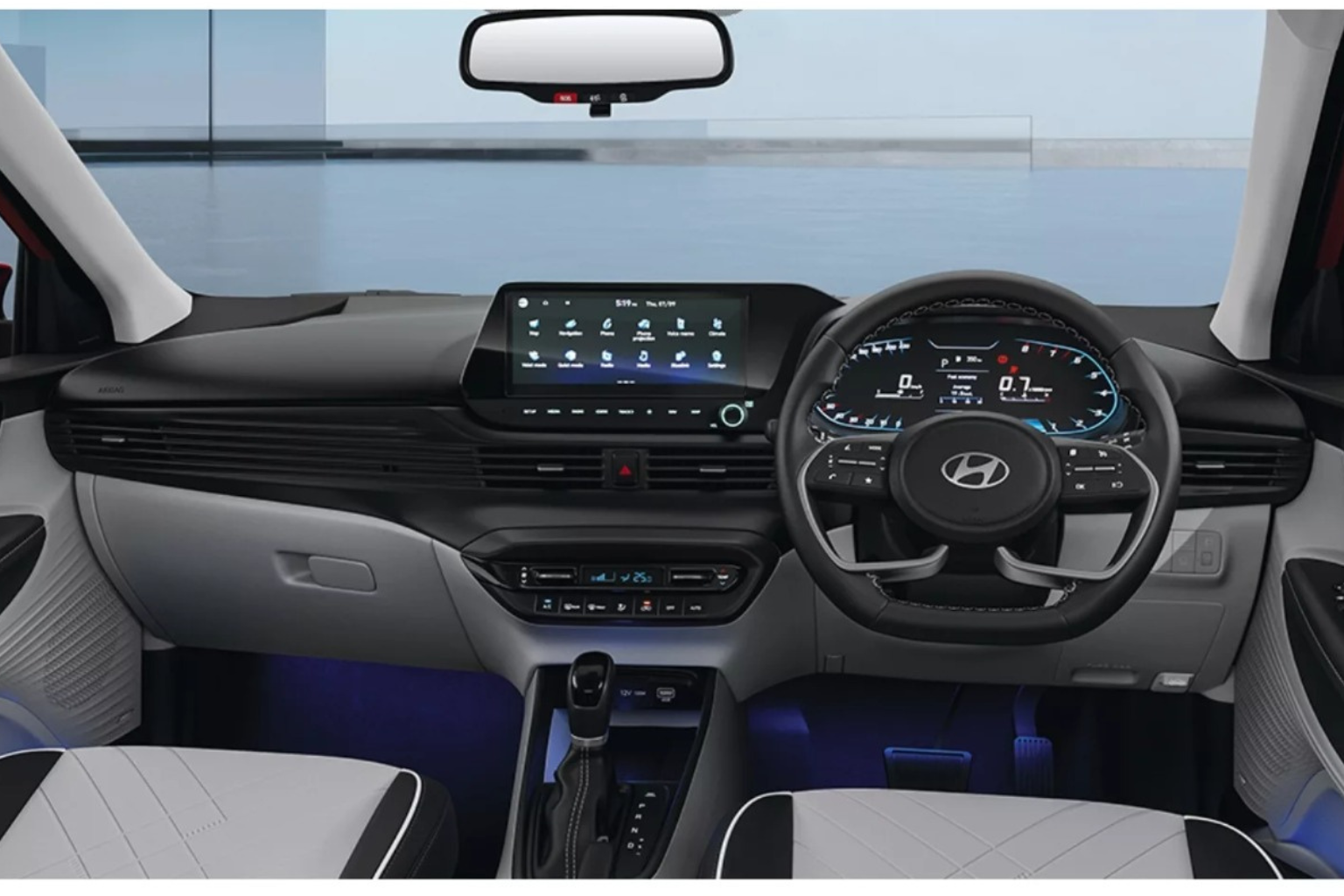
Most of the standard safety features found in vehicles are prominent throughout both the Maruti Suzuki Baleno and the Hyundai i20. But the former’s recent facelift introduced a dedicated driver assistance system.
| Equipment Metric | Maruti Suzuki Baleno (1.2L Petrol) | Hyundai i20 (1.2L Kappa Petrol) |
| Standard Airbag Count | 6 Airbags standard across all trims | 6 Airbags standard across all trims |
| Electronic Stability and Hill Hold | Standard across all trims | Standard across all trims |
| Level 2 ADAS Availability | Standard on Alpha(O) trim | Not available on any variant |
| Front Seat Ventilation | Standard from Alpha trim | Not available on any variant |
| Infotainment Screen Size | No screen (Sigma), 7-inch (Delta) / 9-inch (from the Zeta) | No screen (Era), 8-inch (Sportz, Sportz(O), Asta, Magna) / 10.25-inch (Asta O) |
| Sound System | 4 Speakers, Arkamys 6-speaker (Zeta), Clarion 6-speaker (from the Alpha) | No speakers, 4 Speakers (Magna), Unbranded 6 speakers (Sportz), 7-Speaker Bose with Subwoofer (from the Sportz(O)) |
| Parking Camera System | Reverse Camera (Zeta) / 360-View (from the Alpha) | Reverse Camera with Guidelines (from the Sportz) |
| Head-Up Display (HUD) | Standard on Alpha and Alpha(O) | Not available on any variant |
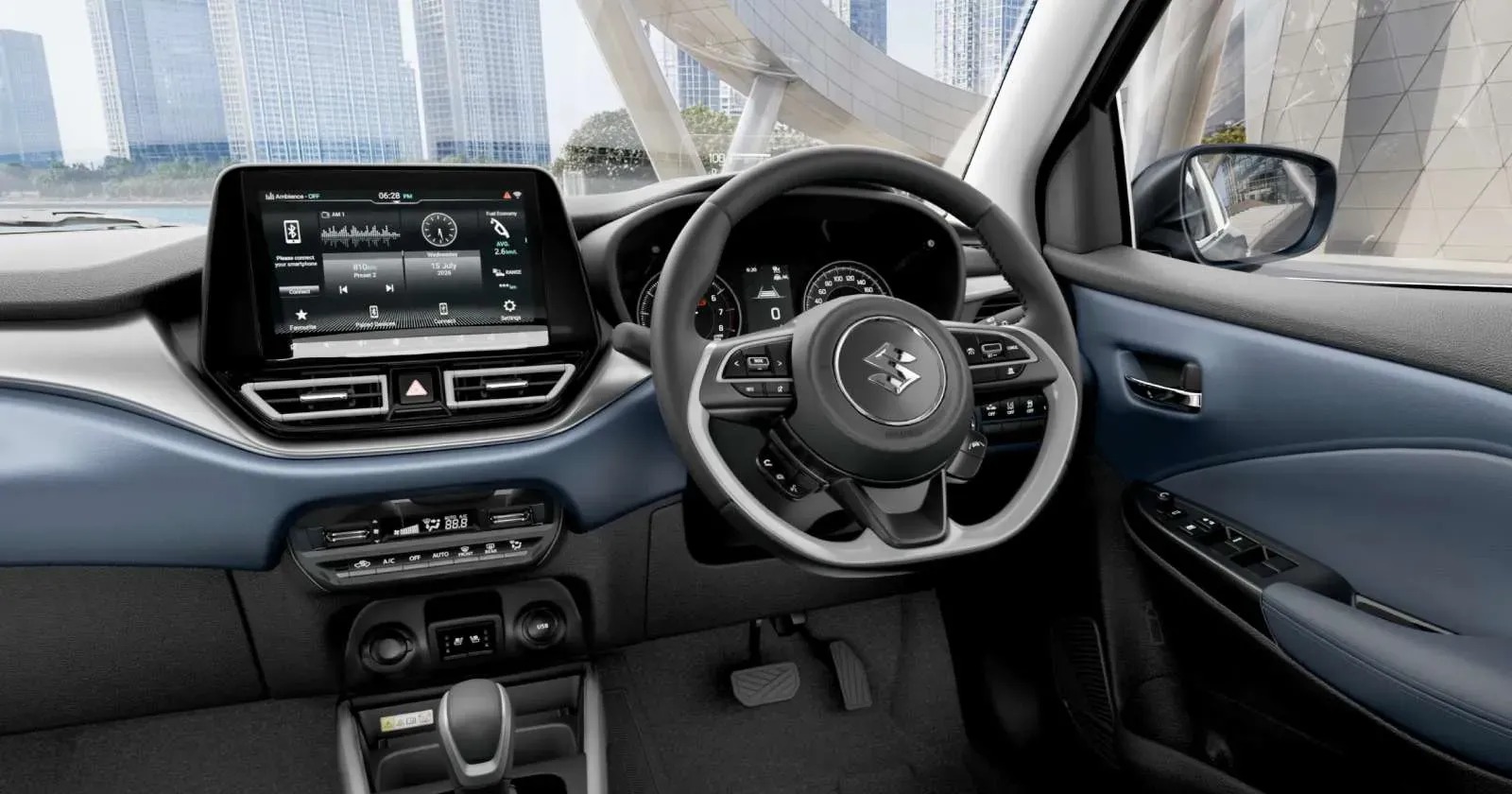
Both manufacturers include 6 airbags, Electronic Stability Program (ESP), Hill Hold Assist and ABS with EBD as standard equipment on every single variant. Hyundai adds a Highline Tyre Pressure Monitoring System (TPMS) from its higher trims like the Magna and Sportz. Maruti Suzuki, meanwhile, reserves its most complex hardware for the Baleno Alpha and Alpha(O) trims, but offers the TPMS right from the second-tier Delta. The Alpha(O) includes a Level 2 ADAS suite featuring Autonomous Emergency Braking, Lane Keep Assist, Lane Departure Warning, and Adaptive Cruise Control. It also adds front ventilated seats from the Alpha. This vehicle’s active driver assistance and functional cooling tech are absent on the i20.
Price, Variant Distribution and Running Costs
We have compared the variant-by-variant showroom prices of both vehicles here.
| Variant Tier | Maruti Suzuki Baleno (1.2L Petrol) | Hyundai i20 (1.2L Kappa Petrol) |
| Entry Manual Variant | INR5.99 Lakh (Sigma MT) | INR5.99 Lakh (Era MT) |
| Core Manual Variant | INR7.00 Lakh (Delta MT) | INR7.00 Lakh (Magna MT) |
| Mid-Spec Manual Variant | INR8.00 Lakh (Zeta MT) | INR7.80 Lakh (Sportz MT) |
| High-Spec Manual Variant | INR9.10 Lakh (Alpha MT) | INR8.66 Lakh (Asta MT) |
| Flagship Manual Variant | INR9.50 Lakh (Alpha O MT) | INR9.19 Lakh (Asta O MT) |
| Entry Automatic Variant | INR7.50 Lakh (Delta AMT) | INR8.81 Lakh (Sportz IVT) |
| Flagship Automatic Variant | INR9.99 Lakh (Alpha O AMT) | INR10.63 Lakh (Asta O DT Knight IVT) |
While the starting prices for entry manual variants are nearly identical, the pricing structure separates when stepping up to two-pedal driving. Maruti Suzuki charges a uniform INR50,000 premium to upgrade from a manual to an AMT across Delta, Zeta, Alpha, and Alpha(O) trims. Hyundai, in contrast, pairs its IVT strictly with higher trims, so buyers will have to step up to the Sportz IVT, which is INR1.01 lakh over the manual Sportz.
In real-world running costs, the three-cylinder Baleno offers 16 to 18 kmpl in mixed city driving conditions, which means ₹5.55 to ₹6.25 per kilometre with petrol priced at INR100 per litre. The four-cylinder i20 returns roughly 13 to 15 kmpl in dense urban traffic; expect a running cost of INR6.65 to INR7.70 per kilometre. Over an annual running distance of 15,000 kilometres, driving the Baleno can save roughly INR15,000 to INR20,000 in fuel expenses. Even if the CNG variant of the Baleno is not taken into account (since the i20 doesn’t have a similar option), it still delivers lower daily operational fuel costs with the petrol engine.
AutoYugg Verdict: Baleno 1.2L NA or i20 1.2L NA for You?
If you want to save as much fuel as possible while managing your daily driving, the Maruti Suzuki Baleno 1.2L is the pragmatic choice. You get accessible automatic pricing as well compared to the i20. The Delta AMT makes two-pedal driving affordable at INR 7.50 lakh, and the flagship Alpha(O) introduces Level 2 ADAS for under INR 10 lakh.
At the same time, the Hyundai i20 1.2L makes sense if the priority is mechanical refinement, smooth automatic driving and rear passenger space. Coupled with a 10.25-inch infotainment screen and a 7-speaker Bose sound system, it’s for drivers who want cabin space and smooth low-speed commuting over outright fuel economy.
Get the Baleno if you prefer low running costs. Get the i20 if you want a more spacious interior.