An analysis of Kia’s Battery-as-a-Service program, checking through its initial purchase savings, per-kilometre battery rental fees and long-term ownership costs.

Kia India offers the Syros EV with a Battery-as-a-Service (BaaS) ownership option, which brings down the initial ex-showroom entry price from ₹13.50 lakh to ₹7.99 lakh for its base HTK variant. While it reduces the vehicle’s financial starting price a lot compared to internal combustion sub-compact SUVs, daily operational costs increase through the per-kilometre battery fee. Here, we have broken down the entire operational costs that you may have to live with if you buy the Syros EV through the BaaS program.
How Kia’s Syros EV BaaS Structure Works
Take a look at the table below to understand the main differences between direct outright payment and BaaS ownership.
| Ownership Parameter | Standard Purchase | BaaS Program |
| Ex-Showroom Entry Price | ₹13.50 Lakh (HTK 42 kWh) | ₹7.99 Lakh (HTK 42 kWh) |
| Upfront Capital Difference | Baseline (Full Vehicle Invoice) | ₹5.50 Lakh upfront reduction |
| Battery Payment Mechanism | Fully integrated into car loan/cash | Usage fee of ₹3.30 per kilometre |
| Applicable Battery | 42 kWh and 51.4 kWh (ER) | Strictly 42 kWh (Standard Range) |
| Battery Warranty | 15 Years / Unlimited km (Private) | 15 Years / Unlimited km (Monitored) |
| Assured Buyback Program | Up to 80% after 3 years | Up to 80% after 3 years |
| Effective Running Cost | Approx ₹1.10 to ₹1.25 per km | Over ₹3.30 per km (acc. to Kia) |
Kia’s BaaS is limited to the 42 kWh Standard Range, meaning an outright purchase is the only route for the 51.4 kWh Extended Range
Kia offers the BaaS option by partnering with non-banking financial companies using a dual-financing framework. The customer finances or pays cash for the rolling vehicle at ₹7.99 lakh, while the high-voltage battery is covered through a separate usage contract. But note that Kia restricts the BaaS option exclusively to the 42 kWh Standard Range configuration; buyers who want the larger 51.4 kWh Extended Range battery will have to pay in full for the vehicle.
Upfront Savings vs Running Costs
Taking Kia’s ₹3.30 per kilometre battery rental fee into account, here’s how the real cost sums up.
| Monthly Distance Driven | Battery Fee (at ₹3.30/km) | Power Cost (at ₹1.20/km) | Total Monthly BaaS Expense | Outright EV Expense (Power Only) | Petrol SUV Expense (at ₹7.50/km) |
| 500 km | ₹1,650 | ₹600 | ₹2,250 | ₹600 | ₹3,750 |
| 1,000 km | ₹3,300 | ₹1,200 | ₹4,500 | ₹1,200 | ₹7,500 |
| 1,250 km (15,000 km/yr) | ₹4,125 | ₹1,500 | ₹5,625 | ₹1,500 | ₹9,375 |
| 1,500 km | ₹4,950 | ₹1,800 | ₹6,750 | ₹1,800 | ₹11,250 |
| 2,000 km | ₹6,600 | ₹2,400 | ₹9,000 | ₹2,400 | ₹15,000 |
Note: It takes roughly 1.67 lakh kilometres of driving for the ₹3.30 per kilometre battery rental fee to equal the ₹5.50 lakh saved on the initial purchase price.
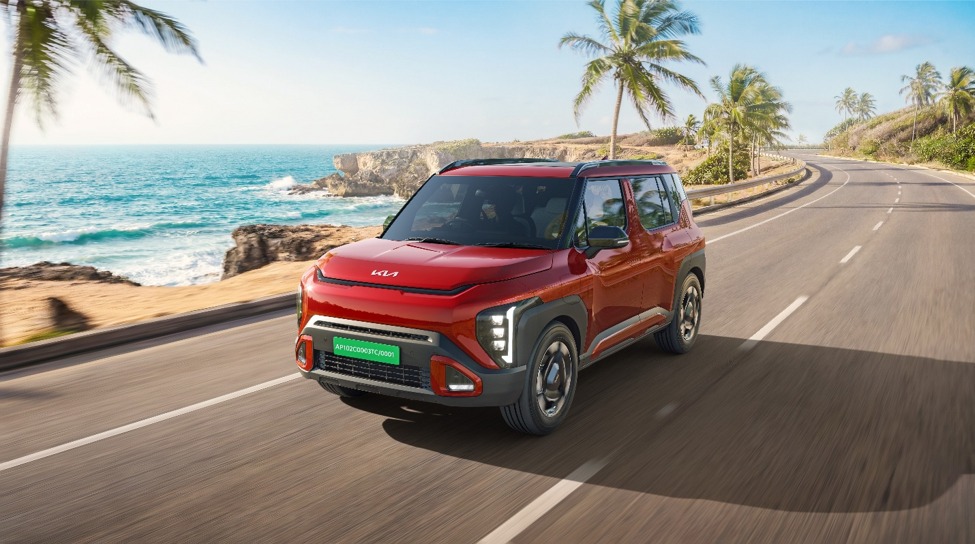
There’s a clear advantage for low-to-medium mileage private owners here. The upfront price gap between buying the HTK outright (₹13.50 lakh) and via BaaS (₹7.99 lakh) is exactly ₹5.50 lakh. Dividing ₹5.50 lakh by ₹3.30 per kilometre means around 1,66,666 kilometres. To achieve that number for a Syros EV owner who drives only 12,000 kilometres annually, it would take around 14 years. Even if you consider annual usage at 15,000 kilometres, the vehicle will be covered for 11 years.
But daily operating economics also needs to be mentioned. Charging the 42 kWh pack at home at ₹8 per unit costs roughly ₹1.20 per kilometre,with a real-world range of 300 to 320 kilometres. If you bought the car directly, that ₹1.20 is your entire fuel cost. Under BaaS, you get the added ₹3.30 per kilometre fee, which raises the effective running cost to roughly ₹4.50 per kilometre.
Still, the Syros EV BaaS option remains roughly 40 per cent cheaper than running a comparable petrol automatic.
Buyback Terms and Resale Value
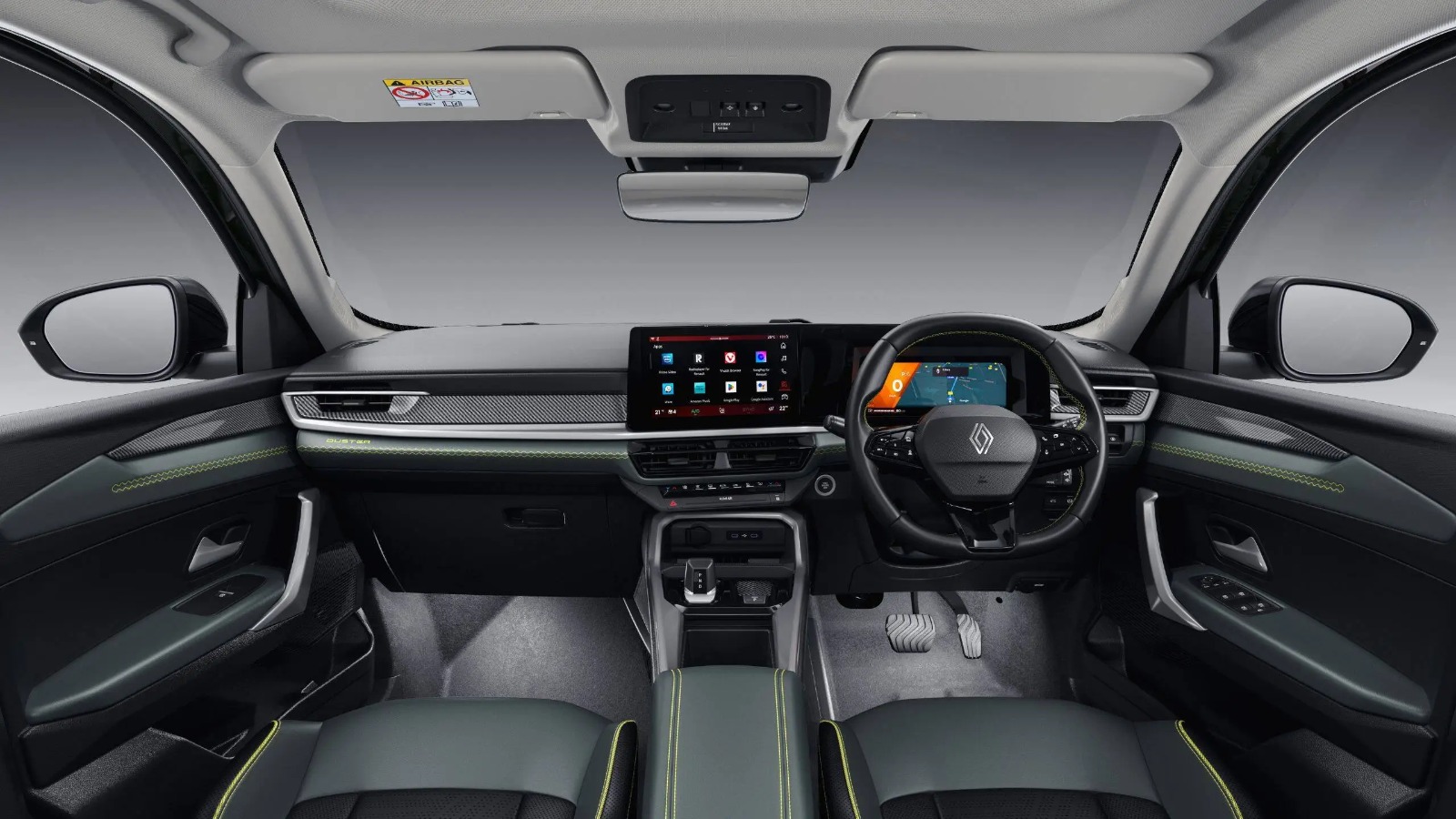
Private buyers get a 15-year unlimited-kilometre battery warranty, with the manufacturer replacing or reconditioning cells if capacity degrades faster than usual. Kia also offers an Assured Buyback program that returns up to 80 per cent of the resale value after three years (70 per cent standard guarantee plus a 10 per cent introductory bonus). It means that owners have the option to return, retain or upgrade the vehicle.
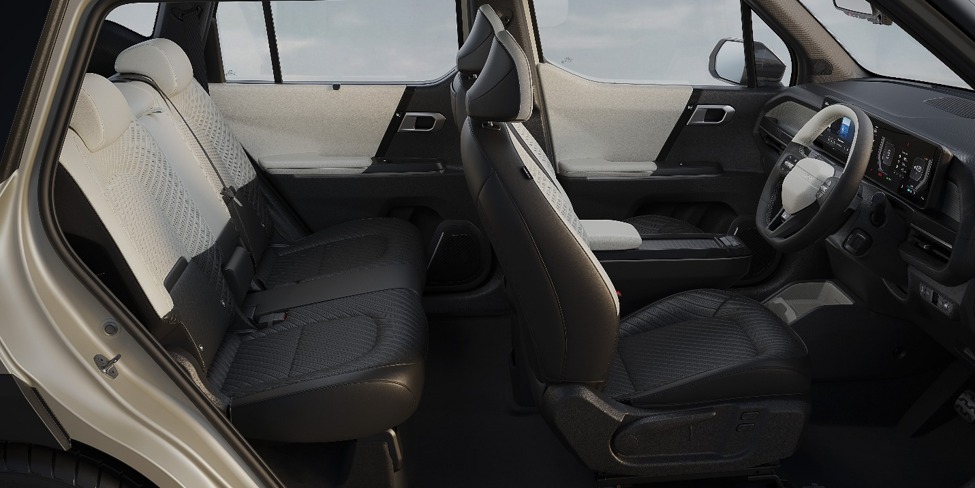
But reselling a Syros EV bound to a BaaS contract involves some specific steps. Since the first buyer pays for the battery through a separate financial agreement, the second buyer will have to carry forward that ongoing ₹3.30 per kilometre contract. Alternatively, the remaining battery valuation can also be paid in full to clear up the registration certificate (RC) hypothecation.
However, these rules are not for fleet usage. Both the lifetime warranty and the 80 per cent buyback program are invalid here, which leaves the Syros EV’s BaaS program as an attractive option only for private buyers.
Complete Variant Lineup and Price Hierarchy
Here’s a quick look at how the Syros EV’s lineup is priced, and which variant gets the BaaS program.
| Variant Grade | Battery Capacity | Outright Ex-Showroom Price | BaaS Ex-Showroom Price |
| HTK | 42 kWh | ₹13.50 Lakh | ₹7.99 Lakh + ₹3.30/km |
| HTK+ | 42 kWh | ₹15.00 Lakh | Outright Only |
| HTX | 42 kWh | ₹16.00 Lakh | Outright Only |
| HTK+ ER | 51.4 kWh | ₹17.00 Lakh | Outright Only |
| HTX ER | 51.4 kWh | ₹18.00 Lakh | Outright Only |
| HTX+ ER | 51.4 kWh | ₹19.50 Lakh | Outright Only |
| X-Line ER | 51.4 kWh | ₹20.00 Lakh | Outright Only |
Note: As clearly shown, only the starting HTK trim of the Kia Syros EV comes with the option of BaaS ownership.
AutoYugg Verdict: Does the Kia Syros EV BaaS Make Sense?
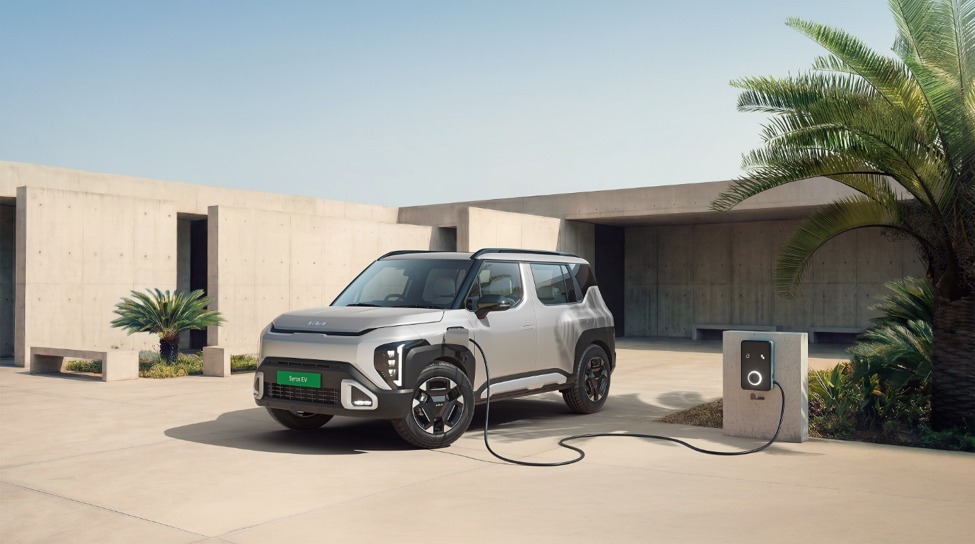
Buyers who want an electric compact SUV but find the typical ₹13 lakh to ₹15 lakh upfront cost a bit steep, they can go for the BaaS ownership strategy. At ₹7.99 lakh, the starting price drops all the way from ₹13.50 lakh, which is around ₹5.50 lakh less. At this price point, an EV from a higher price segment is competing with the aggressive pricing of entry-level petrol hatchbacks and compact crossovers.
And private owners with typical 10,000 to 15,000 annual kilometre cycles will spend less money overall across a standard four-to-five-year ownership span. You also get the 15-year battery warranty and the 80 per cent three-year buyback program, which removes residual value and cell degradation risks.
But for car owners who frequently clock over 20,000 kilometres a year, paying the full fee upfront is the more logical decision. High monthly mileage will increase the battery fees rapidly, which means less operational savings over home charging. Also, the BaaS scheme only comes with the smaller 42 kWh battery, completely denying buyers the 51.4 kWh option, the extra 83 kilometres of range and the 168 bhp output of the Extended Range version.