We compare purchase prices, Battery-as-a-Service costs, upfront savings, battery sizes and financing partners to find out which EV offers the best value for money.
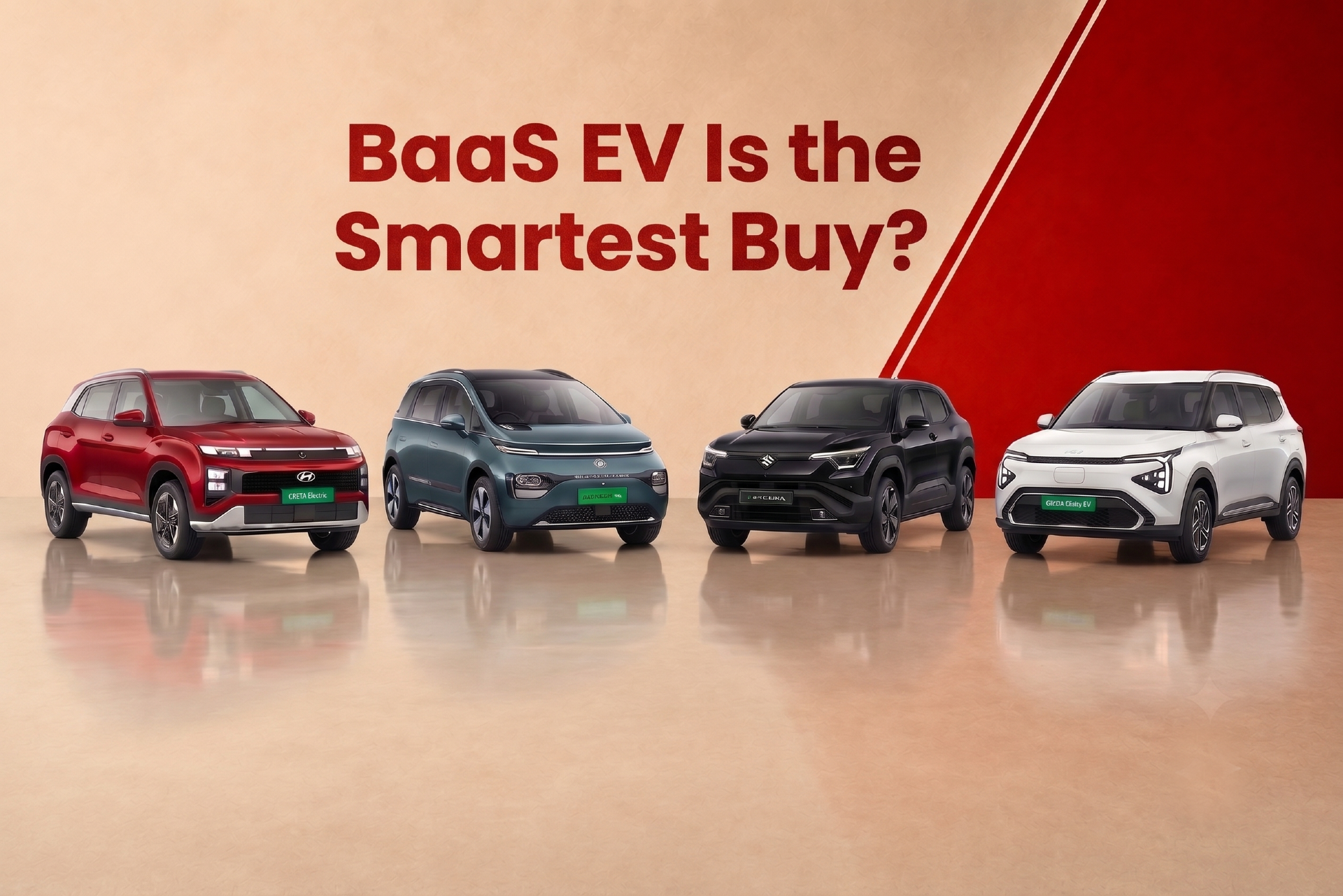
Battery-as-a-Service (BaaS) has quickly emerged as a favored ownership model for electric vehicles in India. Under this service, consumers acquire the vehicle at a more affordable price while paying a fixed battery rental charge on a per-kilometre basis. BaaS reduces the upfront cost of ownership while helping buyers manage their battery-related expenditure throughout the ownership period. Hyundai has joined other players, including MG, Maruti Suzuki, and Kia, in adopting this approach.
| Model | Base Variant | Standard Price* | BaaS Price | Upfront Savings | Battery Rental | Battery Size | BaaS / Finance Partner |
| Hyundai Creta Electric | Executive | ₹18.03 lakh | ₹10.99 lakh | ₹7.04 lakh | ₹3.90/km | 42 kWh | Hyundai Finance partners* |
| MG Windsor EV | Excite | ₹14 lakh (approx.) | ₹9.99 lakh | ₹4 lakh | ₹3.50/km | 38 kWh | Bajaj Finserv |
| Maruti Suzuki e Vitara | Delta | ₹17.25 lakh (approx.) | ₹10.99 lakh | ₹6.26 lakh | ₹3.99/km | 49 kWh | Hero FinCorp |
| Kia Carens Clavis EV | HTK+ | ₹17.99 lakh (approx.) | ₹12.49 lakh | ₹5.50 lakh | ₹3.90/km | 42 kWh | Bajaj Finserv |
*Ex-showroom Prices
What makes them different?
Despite similarities in the approach adopted by all four carmakers to lower the purchase cost, there are differences in how it is implemented.
Firstly, MG Motor was the first carmaker to introduce Windsor EV BaaS in the Indian market and still offers the lowest battery rental rate at ₹3.50 per km. As such, the model is best suited for users who have predictable annual usage and want to keep ownership costs low.
Secondly, Maruti Suzuki has introduced the e Vitara with an aggressive starting price of ₹10.99 lakh, matching that of the Hyundai Creta Electric. However, the battery rental is slightly higher at ₹3.99 per km. In addition, the e Vitara comes with a 49kWh battery pack in the base variant, giving it an advantage in terms of battery capacity.
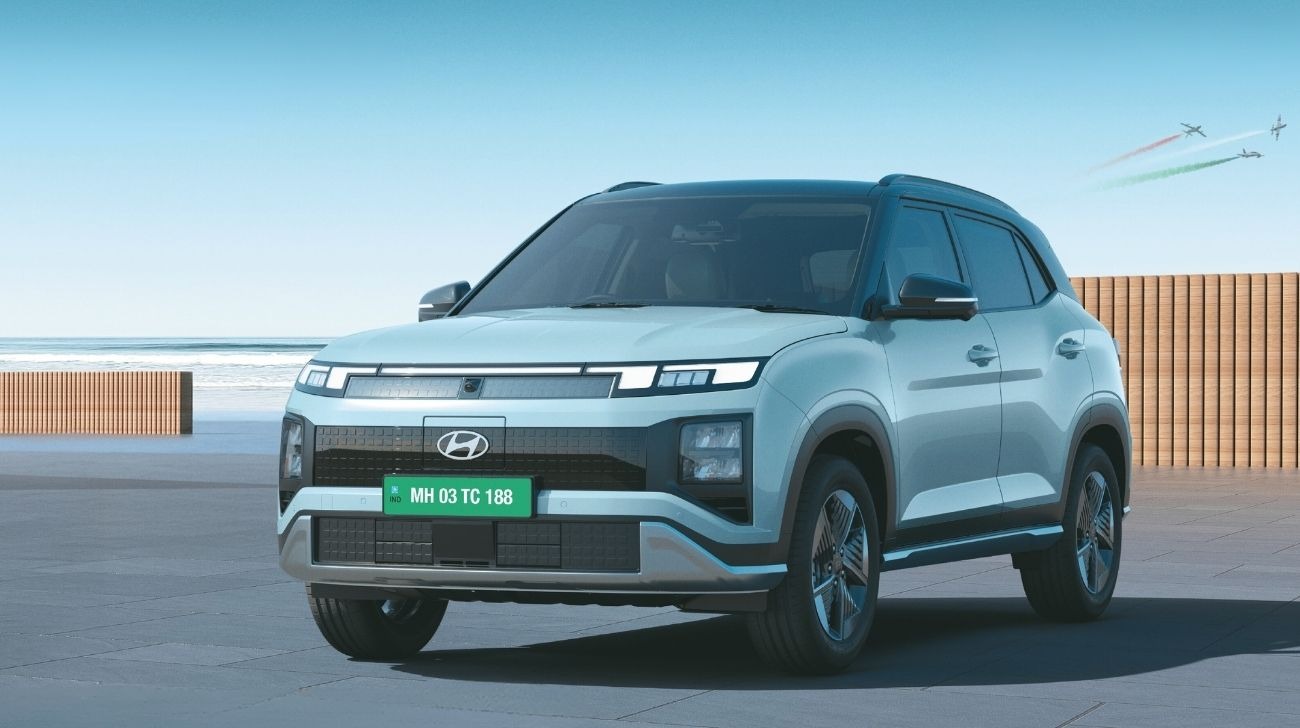
Thirdly, Hyundai aims to make its premium SUV more accessible by reducing the starting price of the Creta Electric by more than ₹7 lakh. This allows the SUV to compete with many ICE midsize SUVs in terms of initial purchase cost while offering the flexibility of battery leasing.
The Kia Carens Clavis EV combines the practicality of a seven-seater MPV with the affordability of the BaaS model. Its battery rental cost of ₹3.90 per km is identical to Hyundai’s, while its partnership with Bajaj Finserv helps customers reduce financing costs.
Thus, the key differences among these brands lie not only in the battery rental charges but also in the level of upfront savings and the vehicles themselves. Buyers should consider their annual driving requirements, as higher usage could eventually offset the benefits of the lower purchase price.
Conclusion
The Battery-as-a-Service model has become one of the key tools for improving the affordability of electric vehicles in India. While MG offers the lowest battery rental cost, Hyundai provides the highest upfront savings, Maruti combines competitive pricing with a larger battery, and Kia caters to buyers looking for an electric family MPV.