A breakdown of Royal Enfield’s twin-cylinder lineup to help you understand the chassis differences, kerb weights and suspension setups before your next purchase.
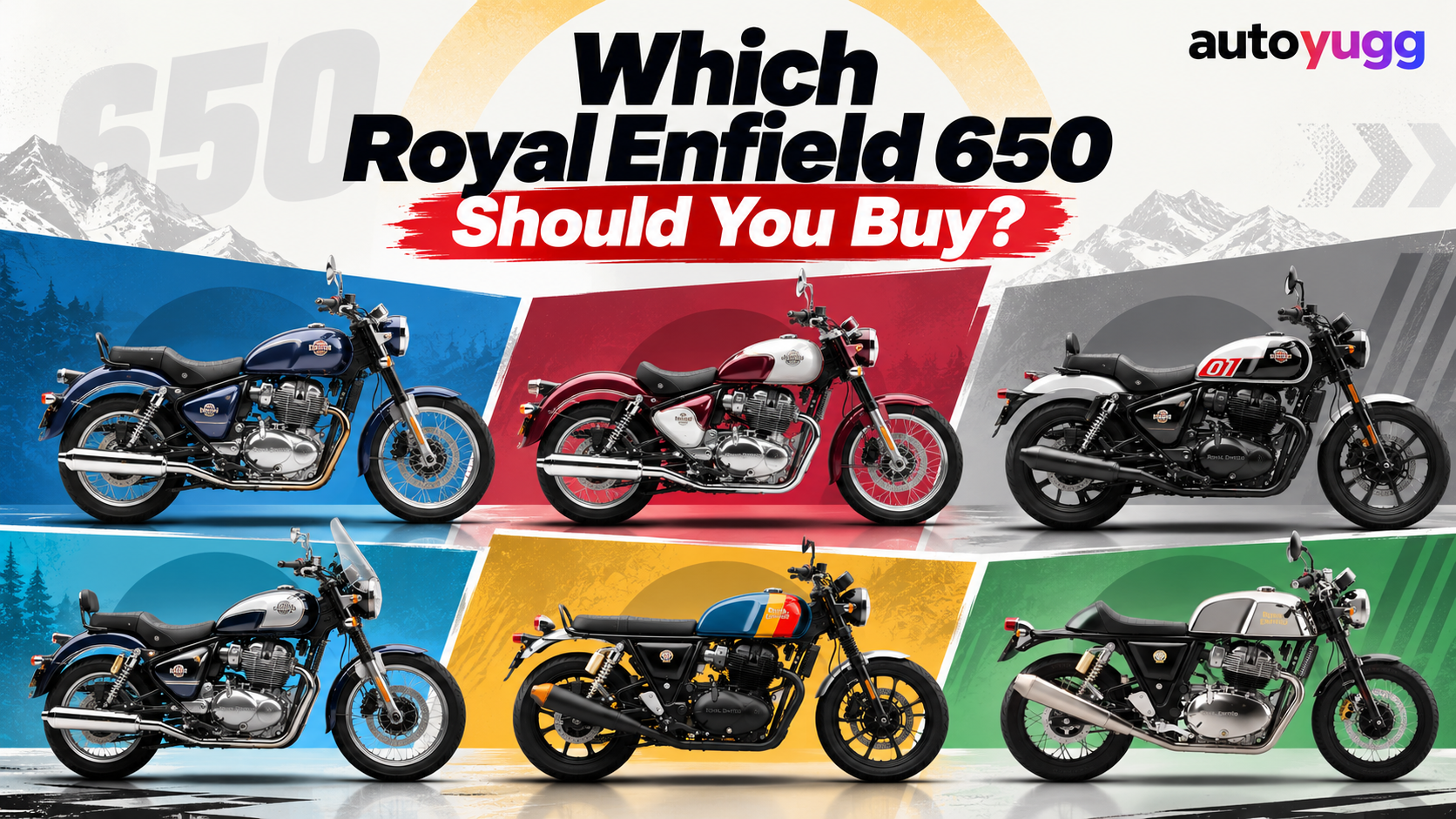
Royal Enfield’s 650cc parallel-twin platform is now available in six motorcycles, with the same 47 bhp powertrain across aggressive cafe racers as well as heavy-duty highway cruisers. Buyers browsing this lineup need to look past the identical engine specifications and focus more on how the chassis geometry, kerb weight and wheel hardware will decide both your daily usability and touring needs. In this article, we have talked in detail about each motorcycle’s ground clearance, seating posture, tubeless tyre availability and their convenience in slow city traffic or over long distances.
The Roadsters: Interceptor 650 and Continental GT 650
We first take a look at the physical dimensions and chassis engineering of the roadsters.
| Specification | Interceptor 650 | Continental GT 650 |
| Kerb Weight | 218 kg | 214 kg |
| Seat Height | 804 mm | 804 mm |
| Ground Clearance | 174 mm | 174 mm |
| Front Suspension | Telescopic Fork | Telescopic Fork |
| Wheel Hardware | Spoked (Alloys on specific variants) | Spoked (Alloys on specific variants) |
Note: The Continental GT 650 is actually the lightest motorcycle in the entire 650cc lineup at 214 kg.
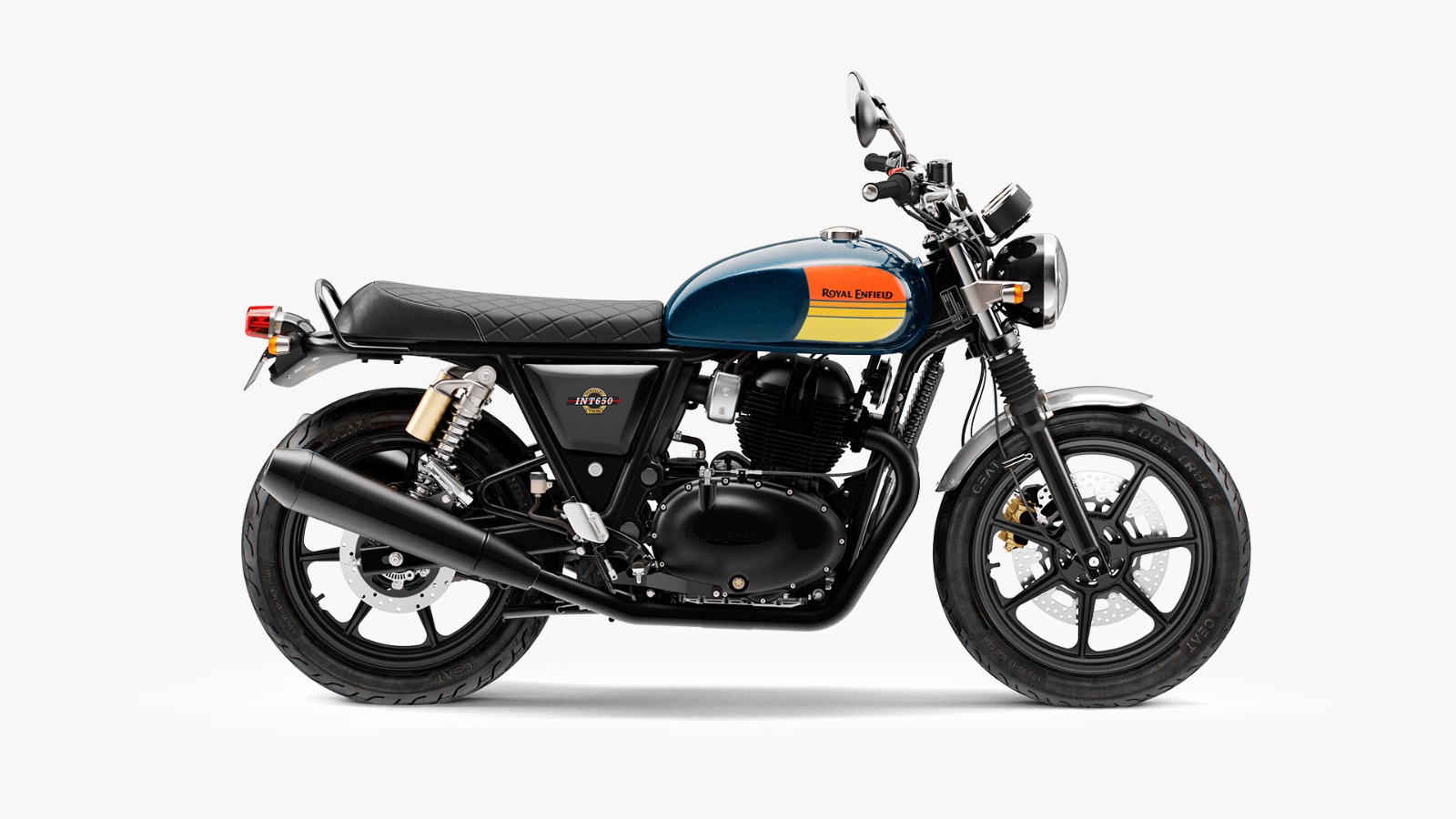
These two models use Royal Enfield’s original double-cradle steel frame, keeping their overall mass a lot lower than the rest of the lineup. The Interceptor 650 has an upright riding posture with mid-mounted footpegs and a wide handlebar, offering high leverage to muscle the motorcycle through heavy evening traffic. The Continental GT 650 uses aggressive clip-on handlebars and rear-set footpegs instead, which tuck the rider out of the wind, but this posture places pressure on the wrists and lower back during stop-and-go commuting.
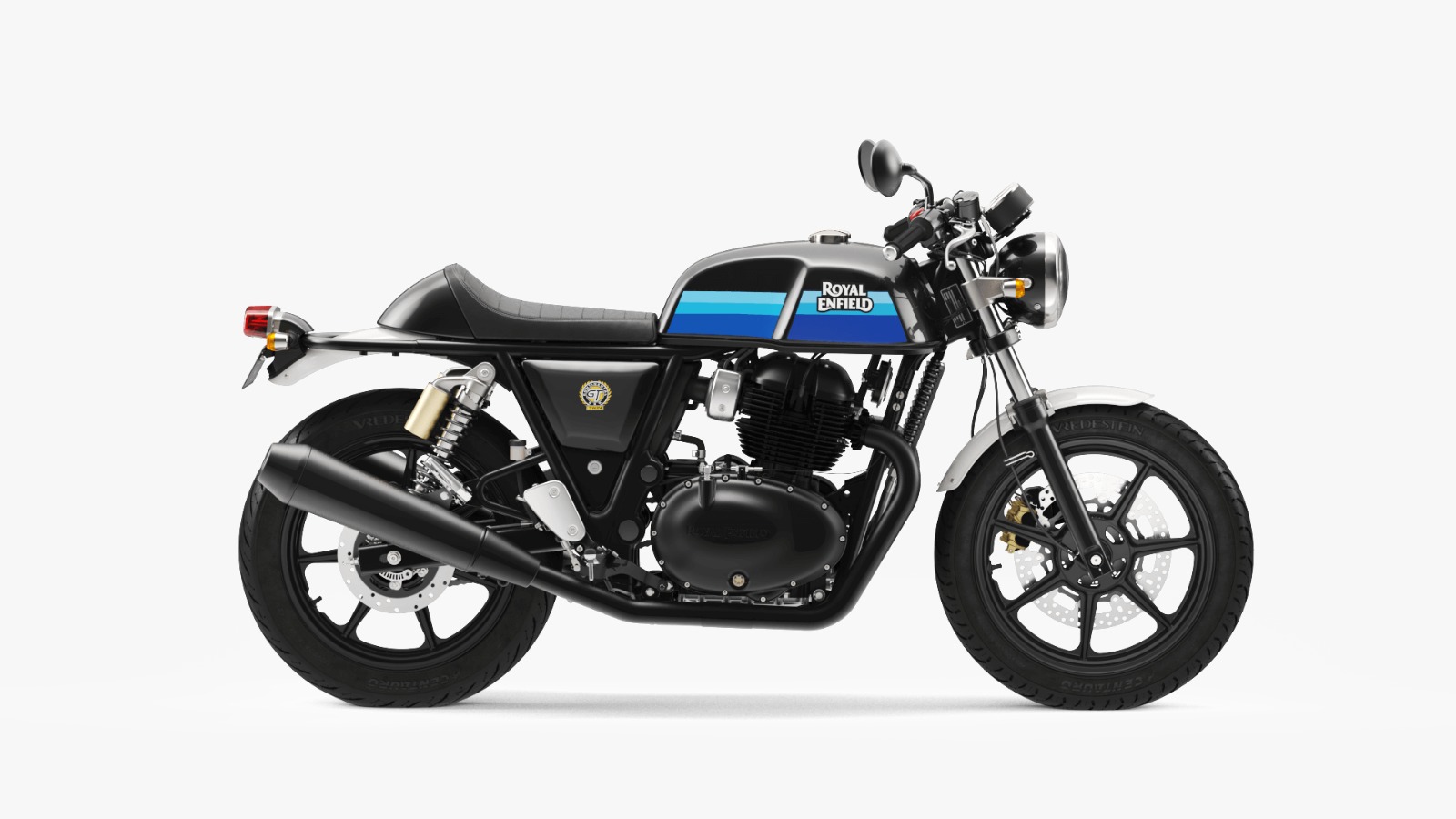
And since both motorcycles sit high off the ground, they clear broken suburban roads and huge speed breakers without scraping their exhaust headers. Both are capable roadsters if you want an agile and city-friendly twin-cylinder experience.
The Highway Cruisers: Super Meteor 650 and Shotgun 650
These models have a low-slung, stretched-out aesthetic. So they appear different from the roadsters.
| Specification | Super Meteor 650 | Shotgun 650 |
| Kerb Weight | 241 kg | 240 kg |
| Seat Height | 740 mm | 795 mm |
| Ground Clearance | 135 mm | 140 mm |
| Front Suspension | USD Forks | USD Forks |
| Wheel Hardware | Alloy Wheels (Tubeless) | Alloy Wheels (Tubeless) |
Note: Both the Super Meteor 650 and Shotgun 650 come factory-fitted with alloy wheels and tubeless tyres.
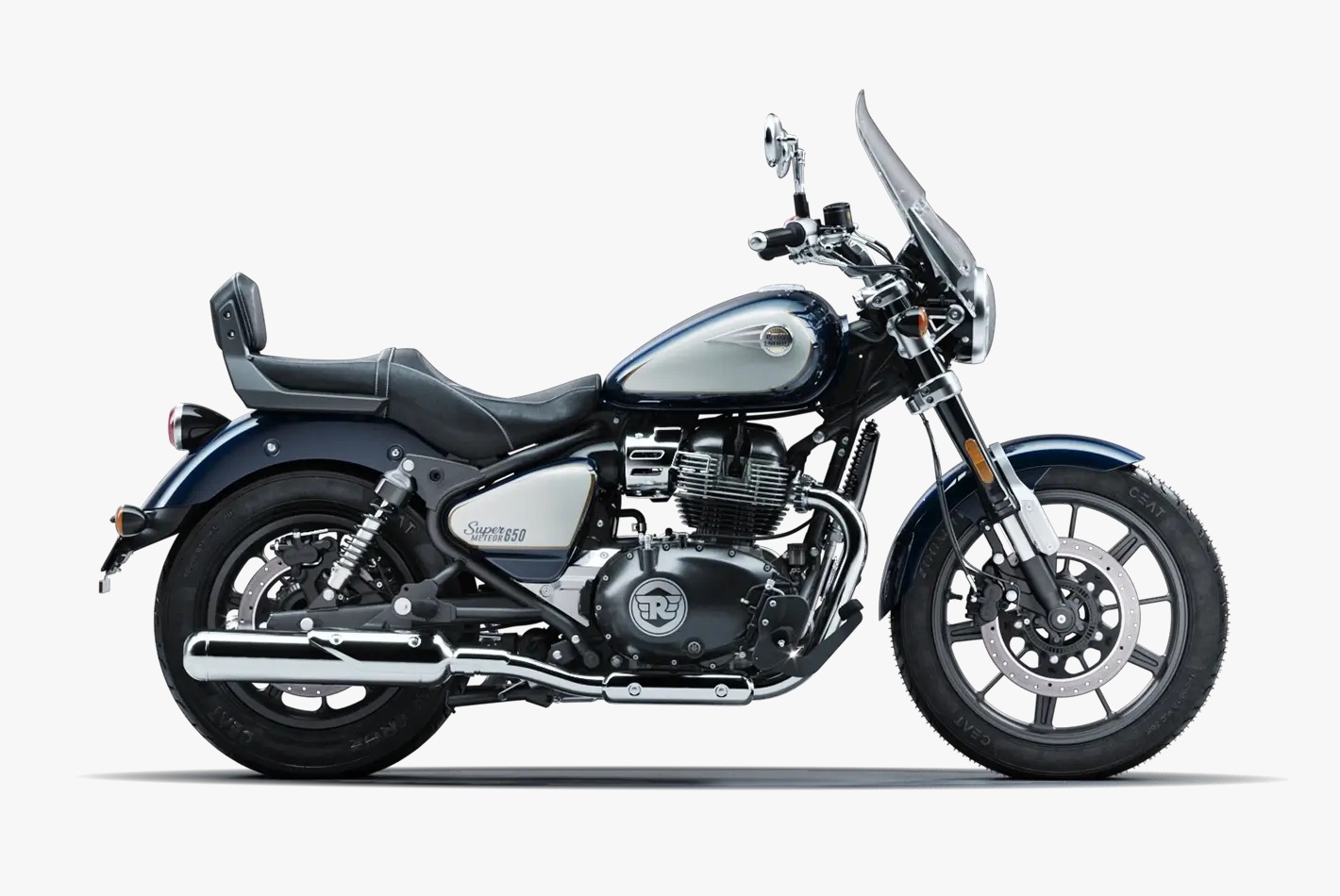
The Super Meteor 650 and Shotgun 650 use a newer steel tubular spine frame with upside-down front forks that increase front-end rigidity during heavy braking. The Super Meteor drops the rider into a deeply scooped 740 mm seat with forward-set footpegs, stretching the wheelbase to deliver high crosswind stability on open expressways. However, its low 135 mm underbody clearance means it can graze standard speed bumps.
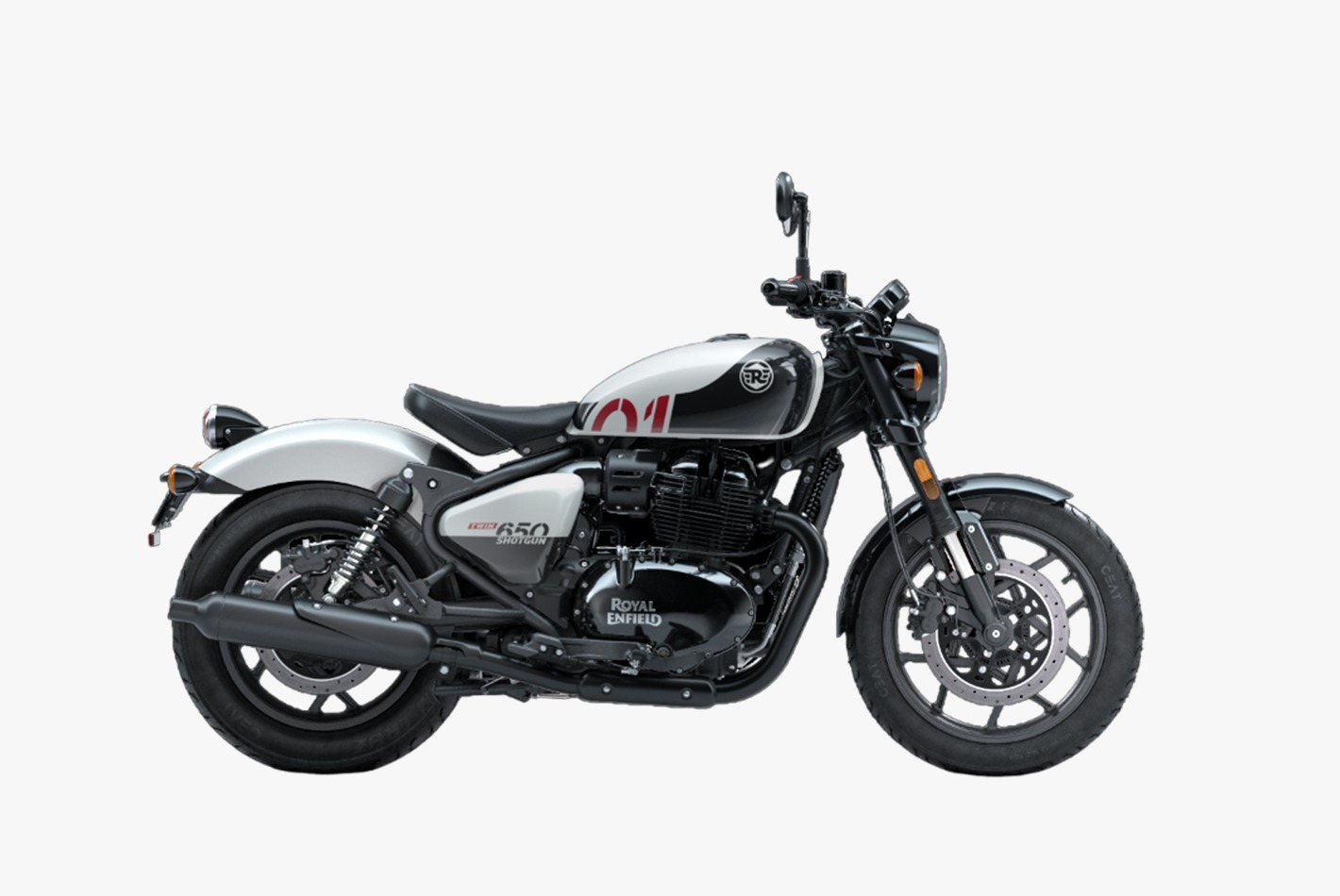
The Shotgun 650, in comparison, raises the saddle height to 795 mm and shifts the footpegs to a mid-set position, which improves weight distribution over bumps. It also offers a higher 140 mm ground clearance.
Overall, both heavyweights handle interstate highways well but require extra physical effort to reverse out of declining driveways.
The Heritage Heavyweights: Classic 650 and Bullet 650
The traditional models have a lot of vintage metal bodywork, which increases their overall kerb weight.
| Specification | Classic 650 | Bullet 650 |
| Kerb Weight | 243 kg | 243 kg |
| Seat Height | 800 mm | 800 mm |
| Ground Clearance | 154 mm | 154 mm |
| Front Suspension | Telescopic Fork | Telescopic Fork |
| Wheel Hardware | Spoked Wheels (Tube-type) | Spoked Wheels (Tube-type) |
Note: These two are the heaviest nameplates in the Royal Enfield’s 650 lineup. They completely change how the motorcycles behave at walking speeds.
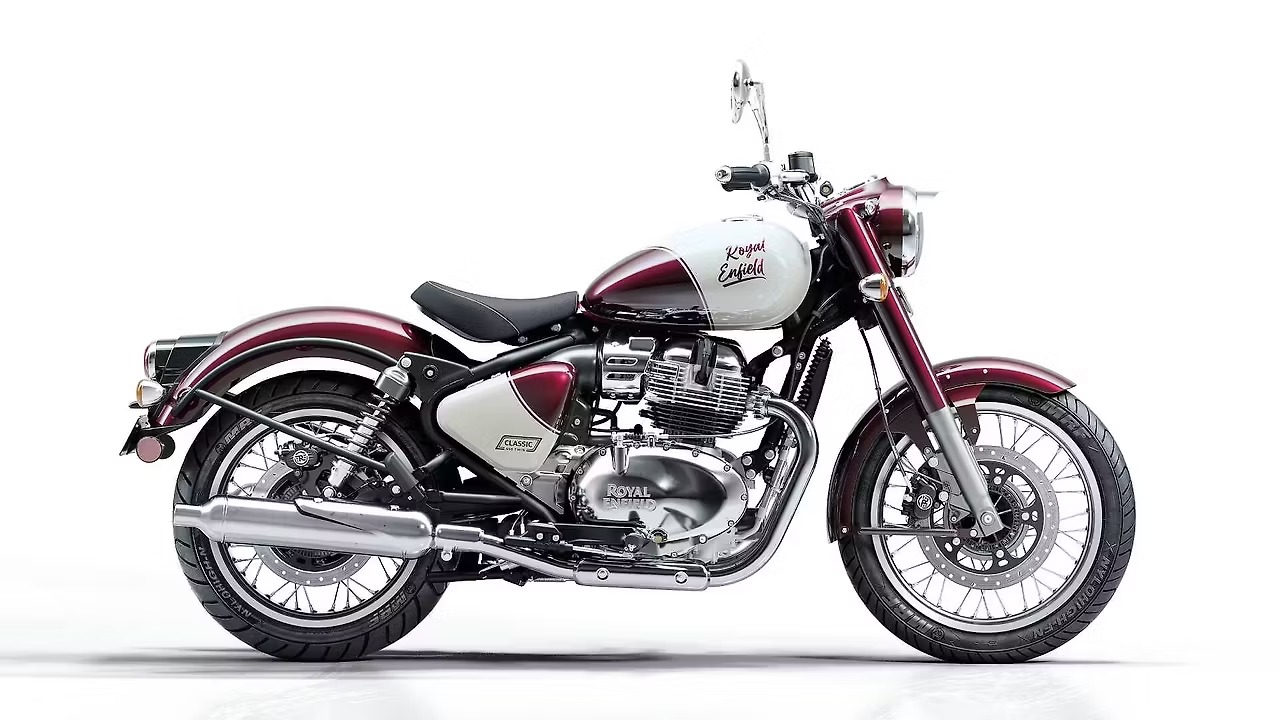
If unmistakable Royal Enfield charm is what you are chasing, these two will sit right at the top of your shortlist. For those riders who want metal, presence and authentic retro character over agility, both models have a timeless curb appeal.
In its single-seat configuration, the Classic 650 stands out with its curved fenders, the hooded headlamp and a chrome finish. But considering practicality, if you add an accessory pillion seat to it, you will break the motorcycle’s flowing rear lines.
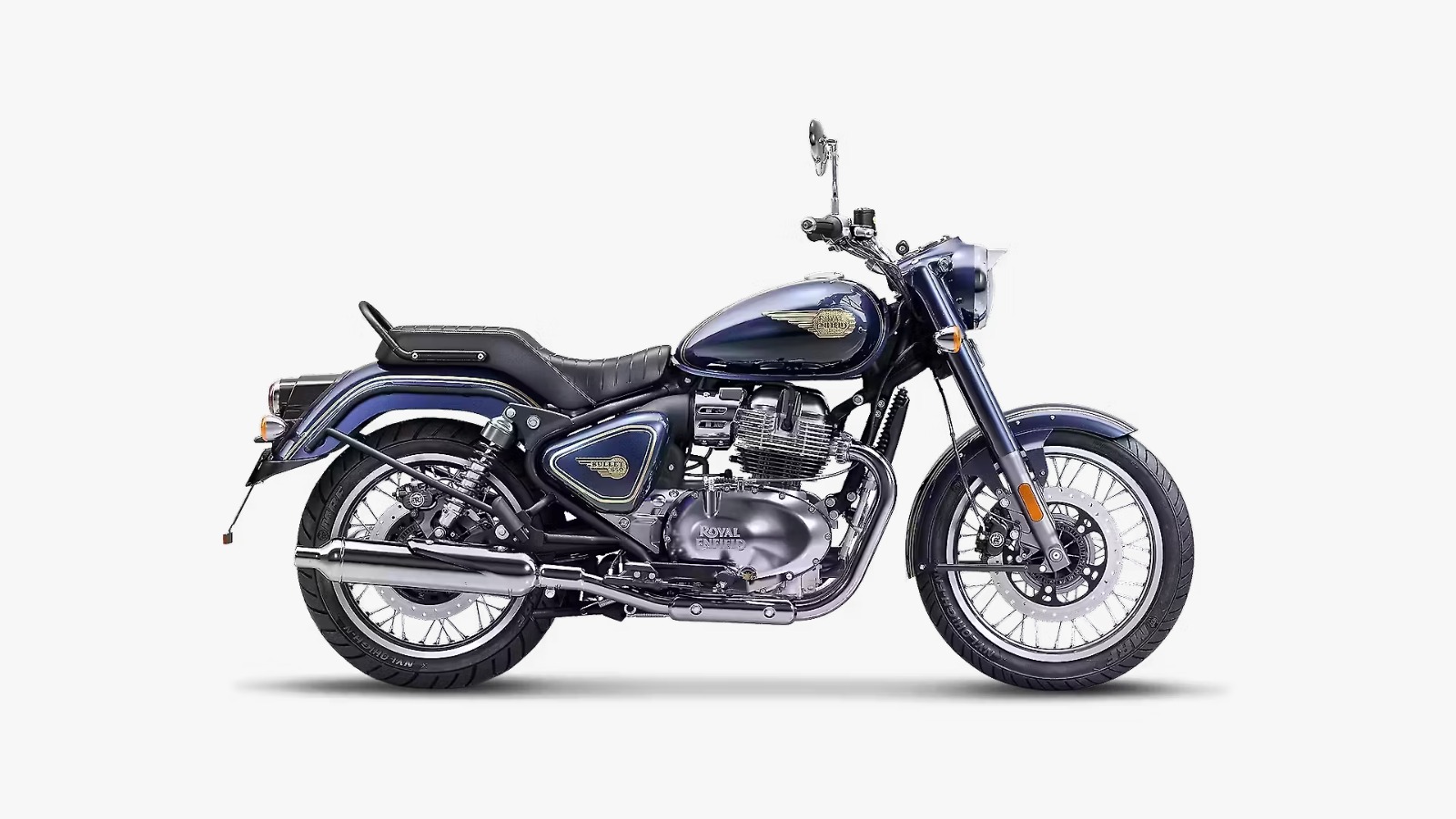
The Bullet 650, meanwhile, gets its design right straight from the factory. You get a single-piece bench seat that fits its subframe and squared-off rear fender well. From tank to tail, there’s an unbroken, purposeful line here. Also, there are signature hand-painted gold pinstripes on the tank, an element that makes the Bullet feel like it’s more classic than the Classic itself.
Overall, both motorcycles provide 154 mm of ground clearance. But tube-type tyres are standard across all variants on both of them. A highway puncture on a motorcycle weighing well over two quintals requires roadside wheel removal, which can turn a minor inconvenience into a logistical headache.
Engine Heat and Transmission Practicality
Even though the powertrain mechanics are the same across the lineup, the output numbers are different by small margins.
| Powertrain Metric | 650cc Parallel-Twin Specification |
| Engine Layout | 647.95cc to 648cc, Inline twin-cylinder, Air/Oil Cooled |
| Maximum Power | 46.3 bhp to 47.4 bhp @ 7,150 to 7,250 rpm |
| Maximum Torque | 52.3 Nm @ 5,150 to 5,650 rpm |
| Gearbox | 6-speed constant mesh |
| Clutch Type | Wet multi-plate |
Note: The 648cc engine delivers its 52.3 Nm of torque relatively low in the rev range, allowing riders to hold third gear in slow city traffic without constantly stalling.
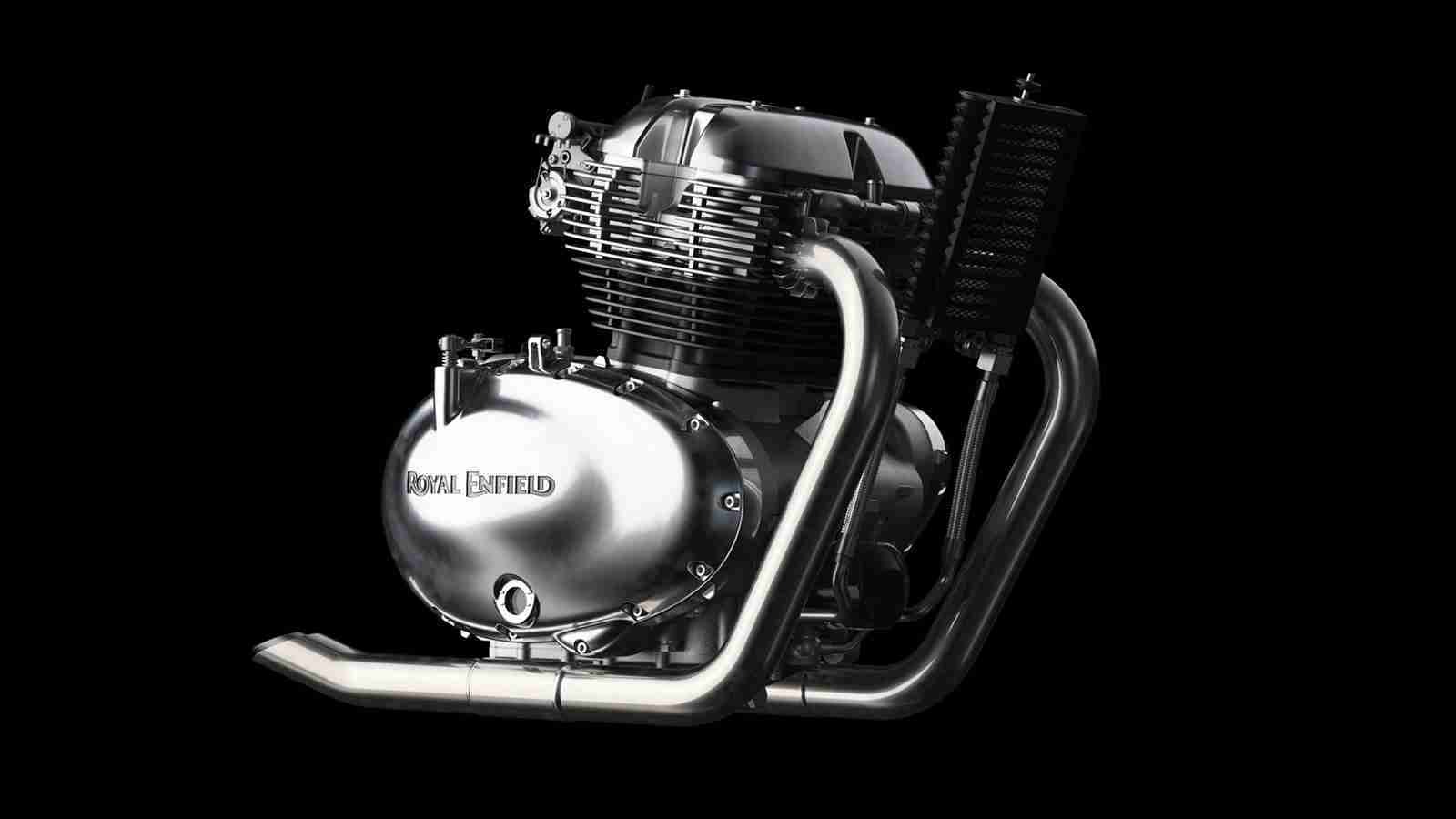
Also, since all six motorcycles share the same air- and oil-cooled engine block, they all radiate noticeable heat around the rider’s shins and ankles during heavy summer traffic congestion. The wet multi-plate clutch, meanwhile, requires a firm pull across the entire range. Riders should expect the heavier cruisers and classic models to consume slightly more fuel and accelerate with less urgency than the lighter roadsters.
Fuel Range and Touring Capability
Here are the fuel tank volumes given by Royal Enfield across its 650 lineup, along with their claimed fuel-efficiency numbers.
| Motorcycle | Fuel Tank Capacity | Claimed Mileage |
| Continental GT 650 | 12.5 Litres | 27.00 kmpl |
| Shotgun 650 | 13.8 Litres | 22.00 kmpl |
| Interceptor 650 | 13.7 Litres | 25.00 kmpl |
| Classic 650 | 14.8 Litres | 21.45 kmpl |
| Bullet 650 | 14.8 Litres | 20.20 kmpl |
| Super Meteor 650 | 15.7 Litres | 24.00 kmpl |
The Continental GT 650 carries the smallest fuel reservoir, forcing riders to start hunting for a petrol pump shortly after crossing the 200-kilometre mark in real-world conditions. At the other end of the range, the Super Meteor 650 is the only true long-haul tourer in the family, its massive teardrop tank reducing the frequency of fuel stops.
Pricing and Cost Hierarchy
We have listed all the starting and top ex-showroom prices of Royal Enfield’s 650 division below.
| Motorcycle | Starting Ex-Showroom Price | Top Variant Ex-Showroom Price |
| Interceptor 650 | ₹3.38 Lakh | ₹3.69 Lakh |
| Continental GT 650 | ₹3.58 Lakh | ₹3.88 Lakh |
| Classic 650 | ₹3.67 Lakh | ₹3.82 Lakh |
| Bullet 650 | ₹3.65 Lakh | ₹3.65 Lakh (Single Variant) |
| Super Meteor 650 | ₹4.05 Lakh | ₹4.40 Lakh |
| Shotgun 650 | ₹4.01 Lakh | ₹4.16 Lakh |
Note: All prices are ex-showroom, and they change according to city, variant and applicable offers.
The Interceptor 650 and Continental GT 650 maintain lower entry prices by using the older chassis architecture and basic halogen lighting on base models. The Classic 650 and Bullet 650 cost more for their extensive metal bodywork, complex paint schemes and heavy chrome plating. The Super Meteor 650 and Shotgun 650 sit with the highest price tags because they include expensive USD front forks, LED lighting and tubeless alloy wheels.
AutoYugg Verdict: Which Royal Enfield 650 Should You Buy?
If your daily route involves dense city traffic, unpredictable potholes and tight parking spaces, the Interceptor 650 is the most logical choice, mainly for its upright posture, 174 mm ground clearance and manageable 218 kg kerb weight.
Riders who want a vehicle for exclusive intercity touring will find that the Super Meteor 650 provides high straight-line stability and the critical safety net of tubeless tyres. The Classic 650 and Bullet 650, meanwhile, are for purists who value visual heritage over modern functionality. Besides all these, if you want the lightest motorcycle among the lot, there’s the Continental GT 650.