A breakdown of Tata’s popular sub-4-metre SUVs to help you choose either an internal combustion engine or pure zero-emission urban efficiency
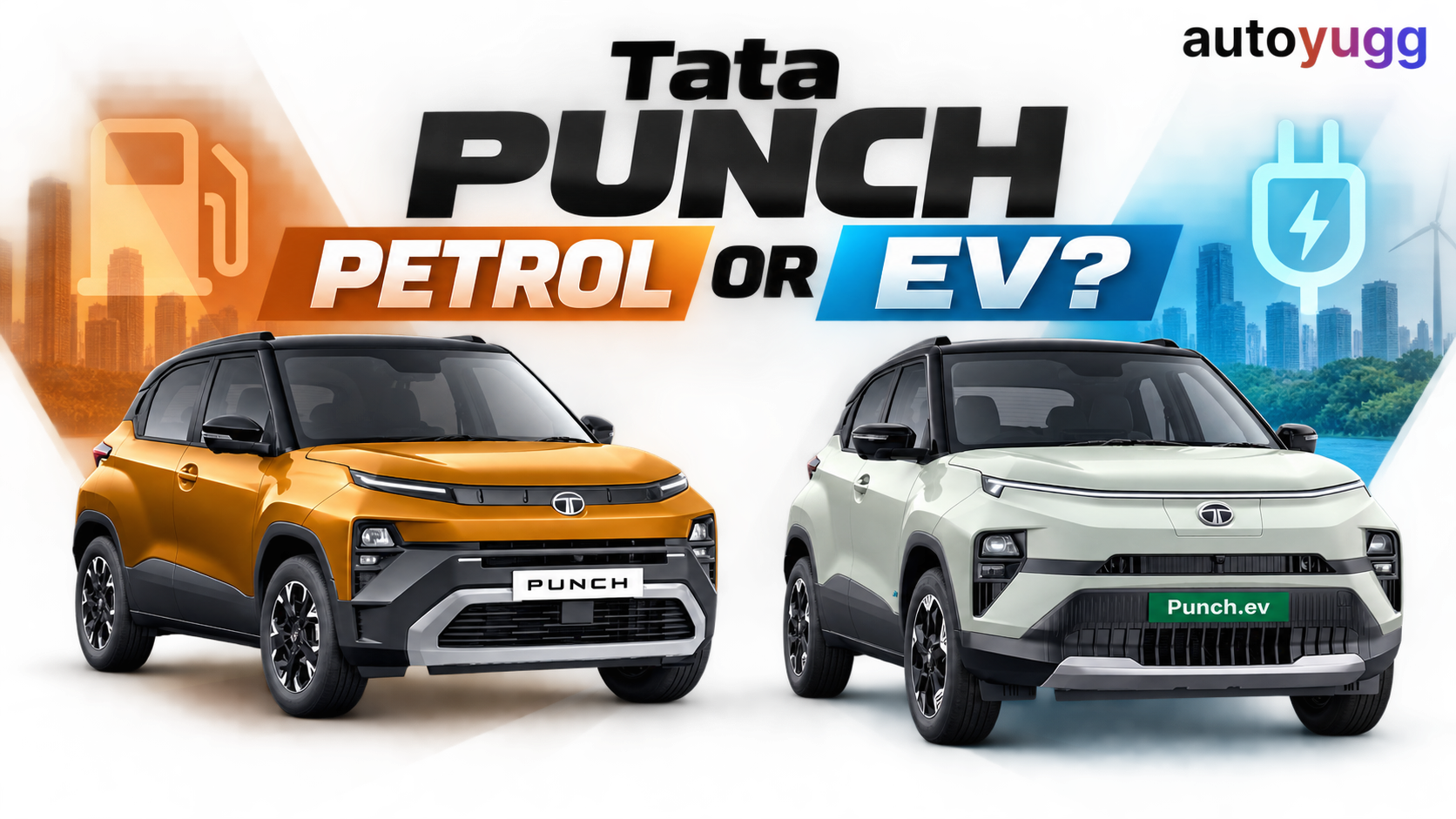
Buyers in the sub-4-metre SUV segment, looking at the Tata Punch nameplate, have two options available. You can go for the proven 1.2L petrol engine starting from ₹5.75 lakh or pay a higher initial price of ₹9.79 lakh for the Punch EV instead. The petrol Punch is mostly for budget-conscious buyers and single-car households who want access to unrestricted highway range. At the same time, the Punch EV is for urban commuters who want low running costs and better cabin isolation. This comparison breaks down the exact hardware, variant distribution and financial differences between the two.
Dimensions, Space and Practicality
A comparison of the physical footprint reveals how the electric skateboard architecture of the Punch EV changes the ground clearance and storage flexibility of the same basic body shell.
| Dimensions and Packaging | Tata Punch (Petrol) | Tata Punch EV |
| Length | 3,876 mm | 3,880 mm |
| Width | 1,742 mm | 1,742 mm |
| Height | 1,615 mm | 1,622 mm |
| Wheelbase | 2,445 mm | 2,445 mm |
| Ground Clearance | 193 mm | 195 mm |
| Main Boot Space | 366 litres | 366 litres |
| Front Trunk (Frunk) | None | 14 litres |
Note: The Punch EV features a 14-litre front trunk for storing charging cables, keeping the 366-litre main boot completely free for family luggage.
Both models are easy to park in congested city limits. The petrol Punch provides 193 mm of unladen ground clearance, which handles standard city potholes without bottoming out. The Punch EV raises this slightly to 195 mm to protect the underfloor battery pack from sharp speed breakers. Inside, both versions provide an identical 366-litre boot, accommodating two medium-sized suitcases easily. But the EV gains a practical advantage by packaging its electric motor lower, which frees up an extra 14 litres of space under its bonnet.
Powertrain, Battery and Performance
These two vehicles behave quite differently in dense city traffic and on long outstation journeys.
| Specification | Tata Punch (Petrol) | Tata Punch EV (40 kWh) |
| Engine / Motor | 1.2L naturally aspirated 3-cylinder | Permanent Magnet Synchronous Motor |
| Capacity / Battery | 1,199 cc | 40 kWh (Long Range) |
| Peak Power | 87 bhp | 127 bhp |
| Peak Torque | 115 Nm | 153.8 Nm |
| Transmission | 5-speed Manual or 5-speed AMT | Single-speed automatic |
| Claimed Fuel Economy / Range | 20.09 kmpl | 468 km (ARAI) |
| Real-World Range | 600+ km (per tank) | Approx 300 km |
Note: The Punch EV offers 153.8 Nm of instant torque for effortless overtakes, whereas the petrol Punch requires high engine revs to access its peak 115 Nm of torque.
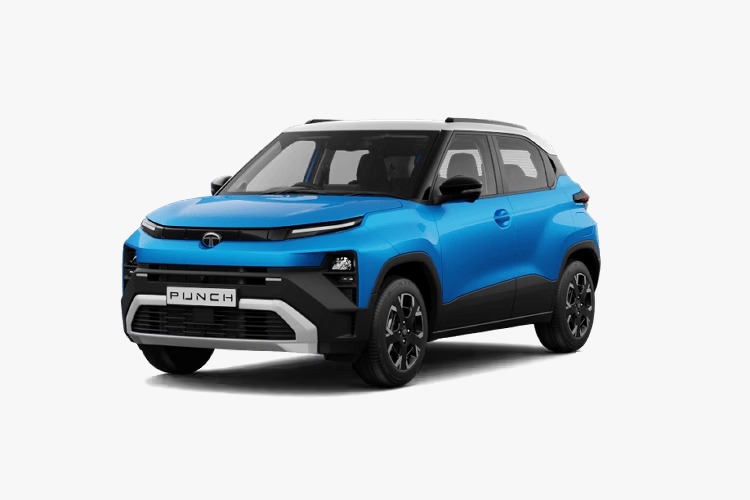
The petrol Punch has a 1.2L three-cylinder engine paired with a 5-speed manual or a 5-speed AMT. This internal combustion engine needs more throttle inputs to close gaps in slow-moving traffic. The Punch EV provides instant, silent acceleration compared to that, with no power lag at all.
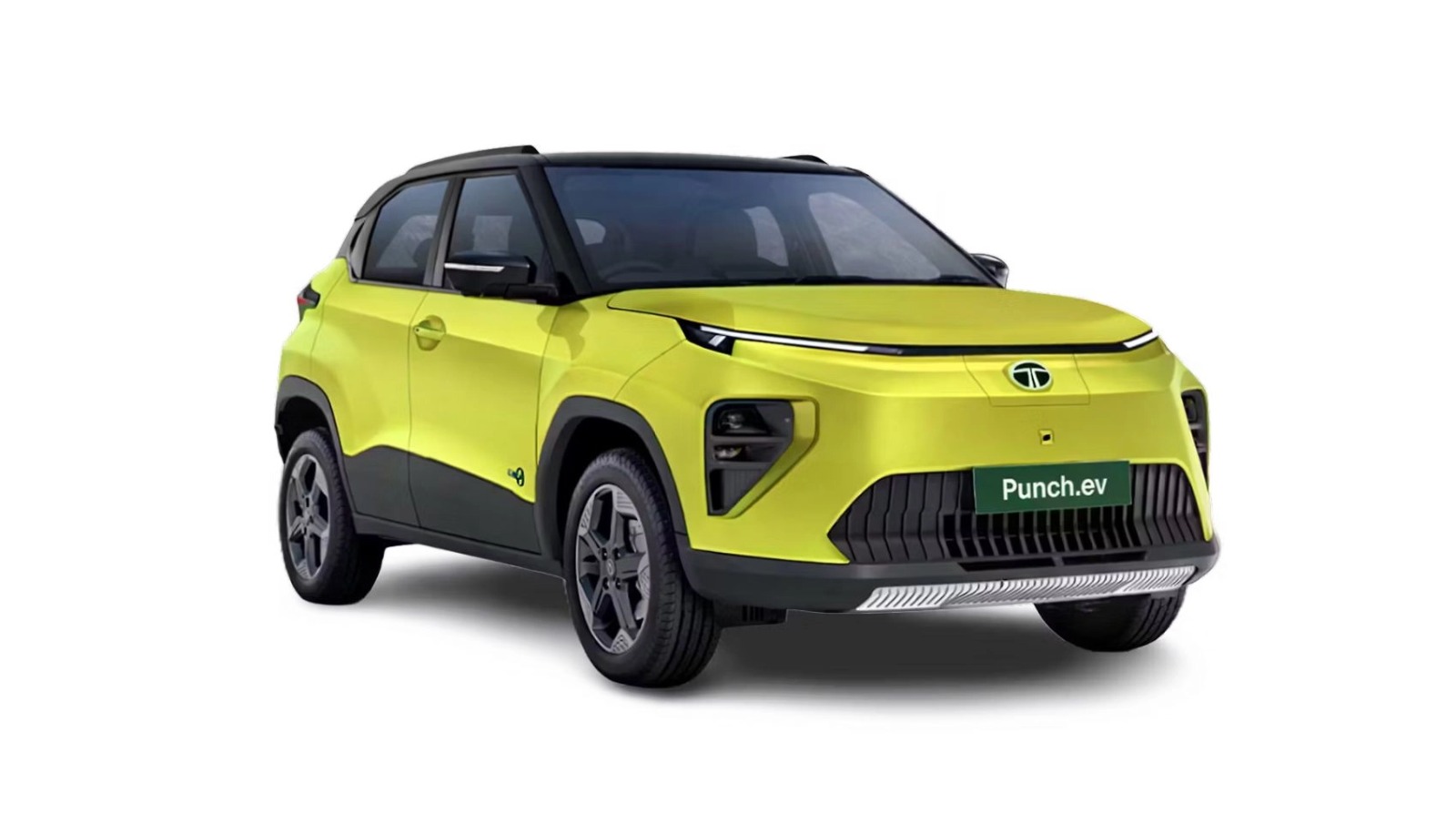
However, the real-world range of approximately 300 km for the 40 kWh variant means it cannot travel far often without proper planning. You will need to plan your stops around DC fast chargers. The electric powertrain does have a smoother urban commute, but the petrol engine is the safer bet for exceptionally long, unplanned trips.
Features and Cabin Technology
Tata’s electric model offers some higher-tier technology in the compact SUV segment.
| Interior Equipment | Tata Punch (Petrol) | Tata Punch EV |
| Infotainment Screen | 10.2-inch touchscreen | 10.2-inch touchscreen |
| Instrument Cluster | Analogue with digital display | 10.2-inch fully digital display |
| Gear Selector | Traditional stick shift | Electronic rotary dial |
| Standard Airbags | 6 Airbags (All trims) | 6 Airbags (All trims) |
| Climate Control Interface | Physical dials and buttons | Touch-capacitive panel |
Tata equips the entry-level petrol Punch strictly with basic analogue dials to keep the starting price low. Buyers have to go for the Accomplished trims if they want to unlock its touchscreen and automatic climate control. Conversely, the Punch EV’s cabin is more digital, with a two-spoke illuminated steering wheel, touch-capacitive HVAC controls and an electronic parking brake. However, even though the touch-sensitive buttons may look modern, they force drivers to take their eyes off the road to adjust the air conditioning.
Overall, the EV targets buyers seeking digital interfaces, while the petrol version sticks to tactile, functional ergonomics.
Price and Cost Per Kilometre
We have calculated the showroom acquisition cost against daily fuel expenses to find out which vehicle is more financially sound for your pockets.
| Financial Metric | Tata Punch (Petrol) | Tata Punch EV |
| Starting Ex-Showroom Price | ₹5.75 Lakh | ₹9.79 Lakh |
| Top Variant Ex-Showroom Price | ₹10.77 Lakh | ₹12.99 Lakh |
| Estimated Running Cost | ₹5.00 to ₹6.00 per km | ₹1.00 to ₹1.20 per km |
| Maintenance Schedule | Every 10,000 km | Every 10,000 km (Lower fluid costs) |
Note: The base petrol Punch undercuts the entry-level Punch EV by ₹4.04 lakh, making it the default choice for buyers with strict capital constraints.
Running the Punch on petrol at ₹110 per litre means you get a daily operating cost of roughly ₹5.00 to ₹6.00 per kilometre. Charging the EV at home using domestic electricity, meanwhile, drops the running cost to around ₹1.00 per kilometre. To recover this price gap through fuel savings alone, an owner will need to drive the EV for at least 80,000 kilometres. High-mileage commuters will be able to recover the battery premium within four years then. But low-mileage drivers will find the petrol model cheaper to own overall.
AutoYugg Verdict: Which Tata Punch Should You Buy?
The Tata Punch EV is viable only if you commute more than 40 kilometres a day and also have an overnight parking spot for home charging. It offers silent operation, lower maintenance costs and a far cleaner cabin environment for city driving.
But the 1.2L petrol Tata Punch is the logical purchase for buyers who are on a strict budget. It’s for those who rely on public street parking or single-car families who frequently do unplanned intercity road trips. It spares owners from range anxiety and public charging infrastructure queues as well.
Overall, both vehicles have the same robust 5-star crash safety shell, so your final decision rests purely on powertrain logistics rather than passenger protection.