Rising fuel prices? We compare hybrid, CNG, diesel and EV SUVs to find which one saves you the most.
As fuel prices continue to rise in India with petrol selling for ₹95–₹105/litre and diesel costing ₹88–₹95 per litre make running expenses an important consideration for SUV buyers. While companies lure buyers with ARAI-certified efficiency figures, real-world mileage is typically 10–30% lower than claimed. This further highlights the importance of fuel type and mileage for SUV buyers. We bring you the most fuel-efficient mid-size SUVs that offer the best cost per kilometre in their category.
1. Hybrid (Best Overall): Maruti Suzuki Grand Vitara
(1.5L, 3-cylinder petrol strong-hybrid paired with e-CVT)
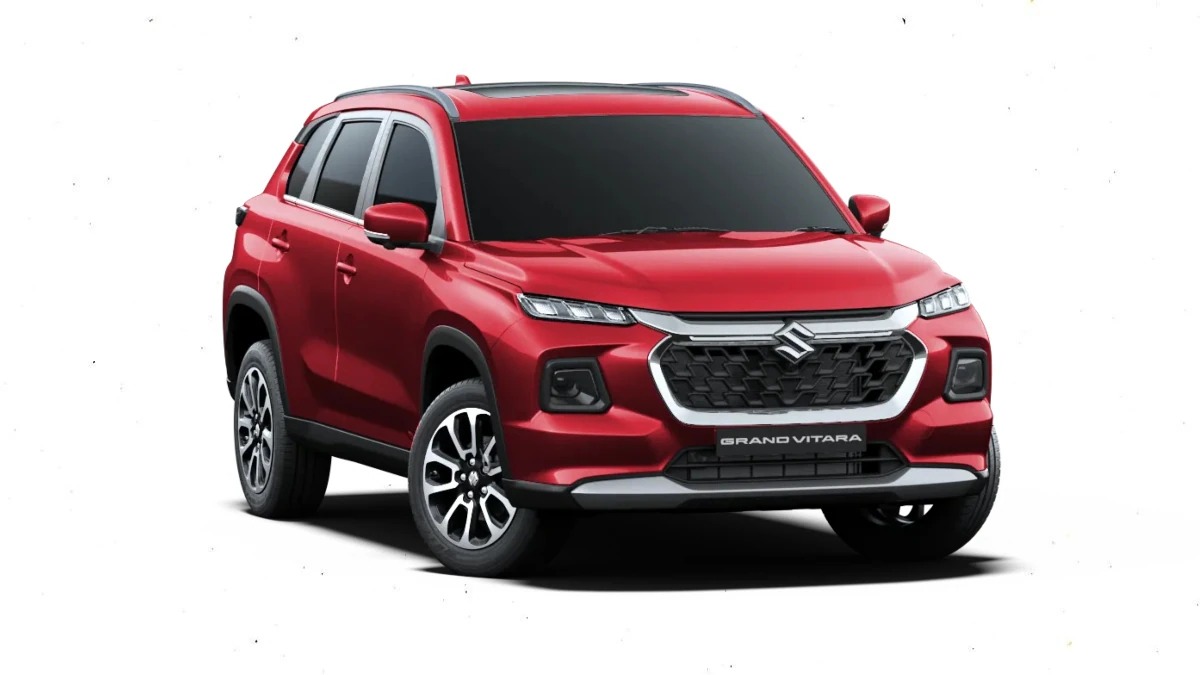
Hybrid SUVs use a combination of petrol and electric power. These improve efficiency, especially in city traffic. Hybrids also do not require charging infrastructure, making them practical for Indian conditions. The Grand Vitara stands out as the most fuel-efficient in this category. It features a 0.76 kWh lithium-ion battery pack with self-charging via regenerative braking. The battery is covered by an 8-year or 160,000 km warranty.
ARAI Certified Mileage: 27.97 km/litre
Real-world Efficiency: 20–24 km/litre
Running cost per km: ₹4–5
Pros: Excellent city efficiency, smooth drive, no charging needed
Cons: Higher upfront price (₹16–20 lakh)
Hon. mention:
Toyota Urban Cruiser Hyryder offers the same strong-hybrid system with Toyota’s proven reliability and hybrid expertise. It also stands out with slightly different styling and brand value.
2. CNG (Lowest Running Cost): Maruti Suzuki Brezza
(1.5L K15C, 4-cylinder petrol engine paired with a 5-speed manual transmission)
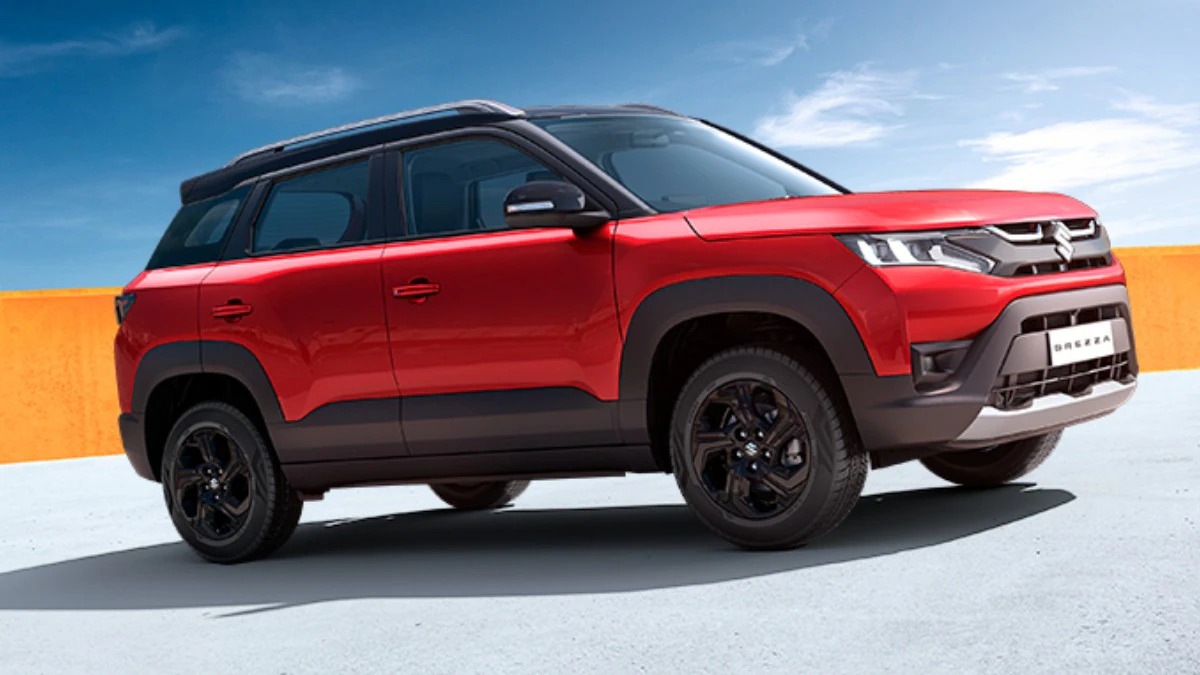
CNG SUVs are ideal for cost-conscious buyers as they offer the lowest per-kilometre expense. They are best suited for daily city commutes and buyers with predictable usage patterns. The Maruti Brezza fits the bill well, and with up to 23 km/kg of real-world mileage, it offers a low running cost. It also allows a seamless switch to petrol mode when CNG runs out, eliminating range anxiety and ensuring uninterrupted driving. The combined CNG (55L water equivalent) and petrol (48L) capacity offers a healthy range that can exceed 800–1,000 km, depending on driving conditions and driving style.
ARAI Certified Mileage: 25 km/kg
Real-world Efficiency: 22–23 km/kg
Running cost per km: ₹2.5–3
Pros: Cheapest fuel, low running cost
Cons: Less power, reduced boot space
Hon. mention:
Tata Nexon CNG and Maruti Suzuki Grand Vitara CNG. The Nexon CNG offers a turbo-petrol plus CNG setup with usable boot space due to its dual-cylinder layout.
3. Diesel (Highway Efficient): Kia Seltos
(1.5L CRDi diesel engine, 4-cylinder, paired with a 6-speed manual transmission)
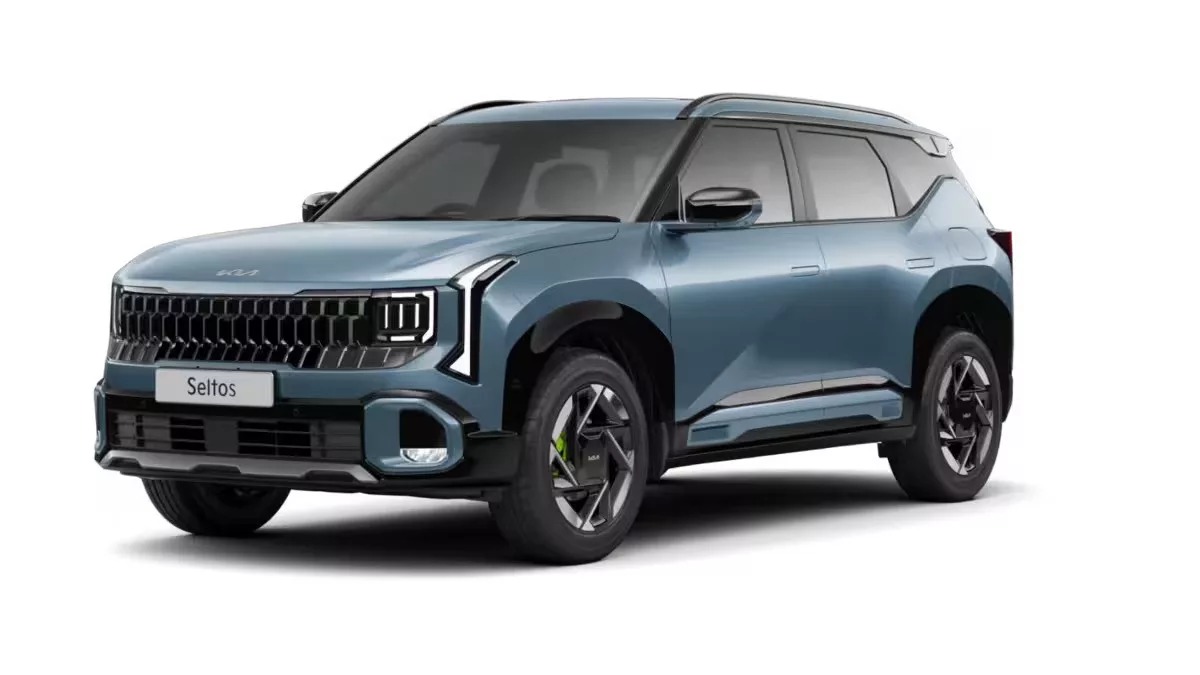
Diesel SUVs are best suited for long-distance driving. They offer strong torque and better highway efficiency without sacrificing mileage. For users with high monthly running, diesel SUVs make the most sense. Among the available choices, the Kia Seltos stands out with the following credentials:
ARAI Certified Mileage: 20 km/litre
Real-world Efficiency: 14–18 km/litre
Running cost per km: ₹6–7
Pros: Strong torque, good highway mileage
Cons: Higher maintenance, future emission concerns
Hon. mentions:
The Hyundai Creta shares a similar 1.5L diesel engine, offering refined performance with a comfort-focused ride.
The Mahindra XUV700 features a more powerful 2.2L diesel engine, delivering strong performance and highway capability, albeit with slightly lower mileage.
4. EV (Lowest Cost/km): Tata Nexon EV
(110 kW electric motor with a 30–45 kWh lithium-ion battery)
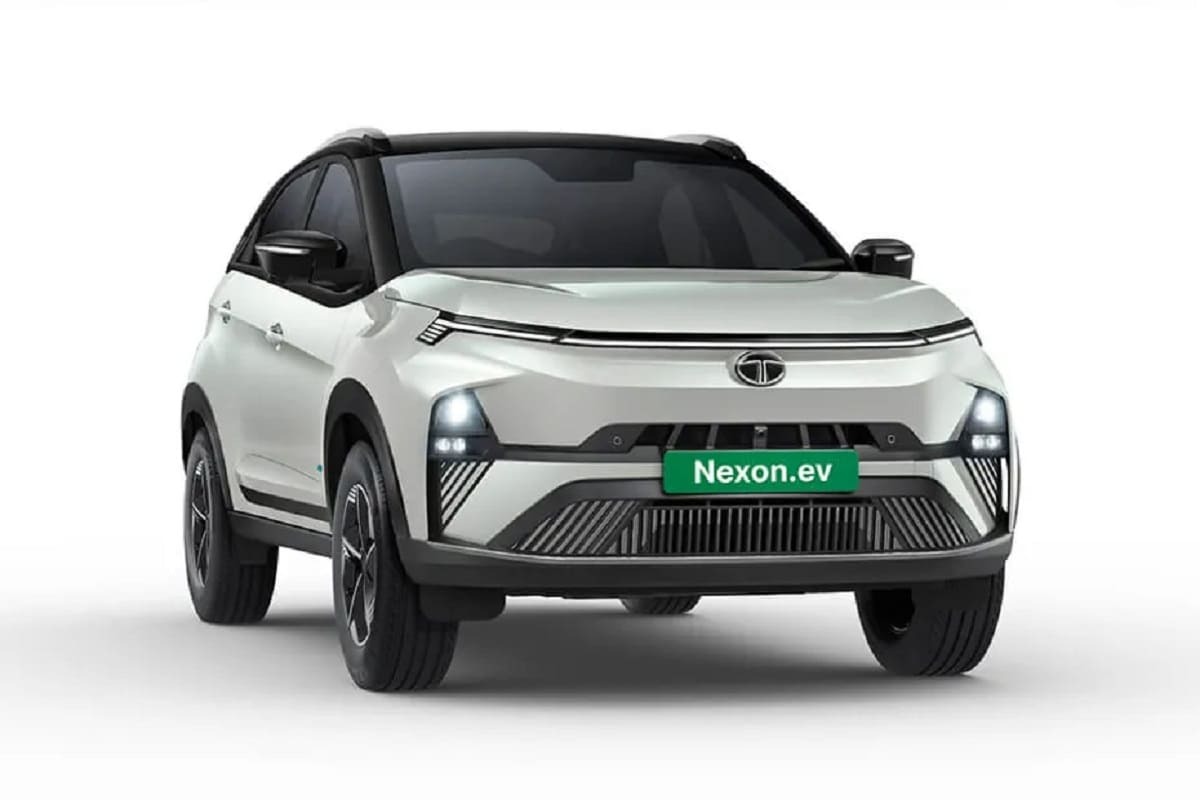
EVs offer the lowest running costs and zero fuel dependency. They are ideal for city users with access to charging infrastructure. Buyers with predictable daily driving can maximise the benefits of EV SUVs. The Tata Nexon EV is among the best EV SUVs and has improved with each update. It offers an 8-year / 1.6 lakh km (battery and motor) warranty, and service costs are around 30–40% lower than ICE cars due to fewer moving parts.
ARAI Certified Range: 465 km
Real-world Range: 300–350 km
Running cost per km: ₹1–1.5
Pros: Lowest cost/km, low maintenance
Cons: Charging time, infrastructure gaps
Hon. mention:
Mahindra XUV400 comes with a more powerful motor and a larger battery, though its interior features and charging ecosystem lag slightly behind rivals.
5. Petrol (Conventional Option): Volkswagen Taigun
(1.0L TSI turbo-petrol with a 6-speed manual transmission)
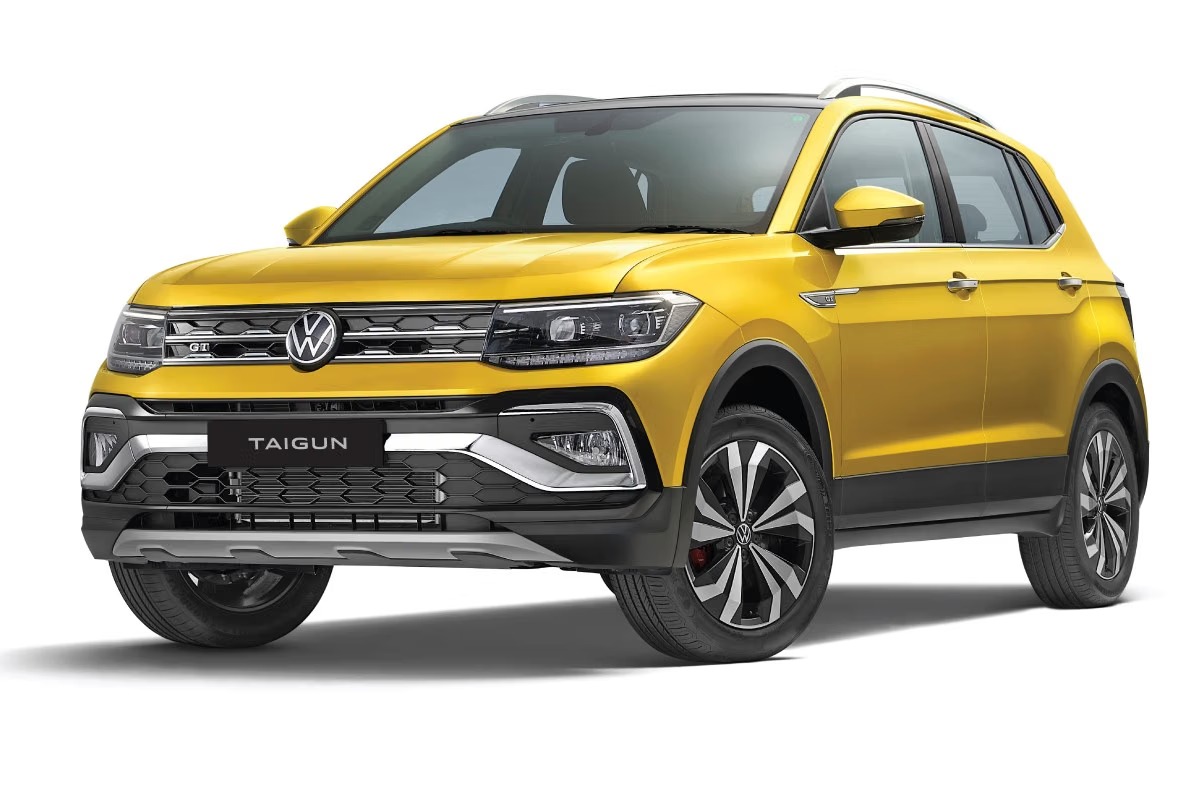
Petrol SUVs are suitable for buyers with lower running needs. They also appeal to enthusiasts who prefer a refined driving experience. However, petrol SUVs are among the most expensive to run. The Volkswagen Taigun stands out here due to its strong build quality, refinement, and overall driving experience.
ARAI Certified Mileage: 18–19 km/litre
Real-world Efficiency: 12–16 km/litre
Running cost per km: ₹8–11
Pros: Smooth, lower purchase price
Cons: Highest running cost, lower efficiency
Hon. mention:
Skoda Kushaq shares the same powertrain and transmission options as the Taigun, offering similar performance with slightly more premium interiors.
Overall Verdict
Buying a mid-size SUV today is not easy. Multiple options, fuel types, and considerations make the decision-making process complex. Choosing the right fuel type can help you achieve significant savings and make a more informed decision.
– Hybrid SUV: Best overall combination
– CNG: Cheapest fuel option
– Diesel: Best for long-distance driving
– EV: Lowest running cost per km
– Petrol: Best for refined driving and low daily usage