Instead, Chery and JLR are turning it into an all-new brand—starting with the Concept 97.
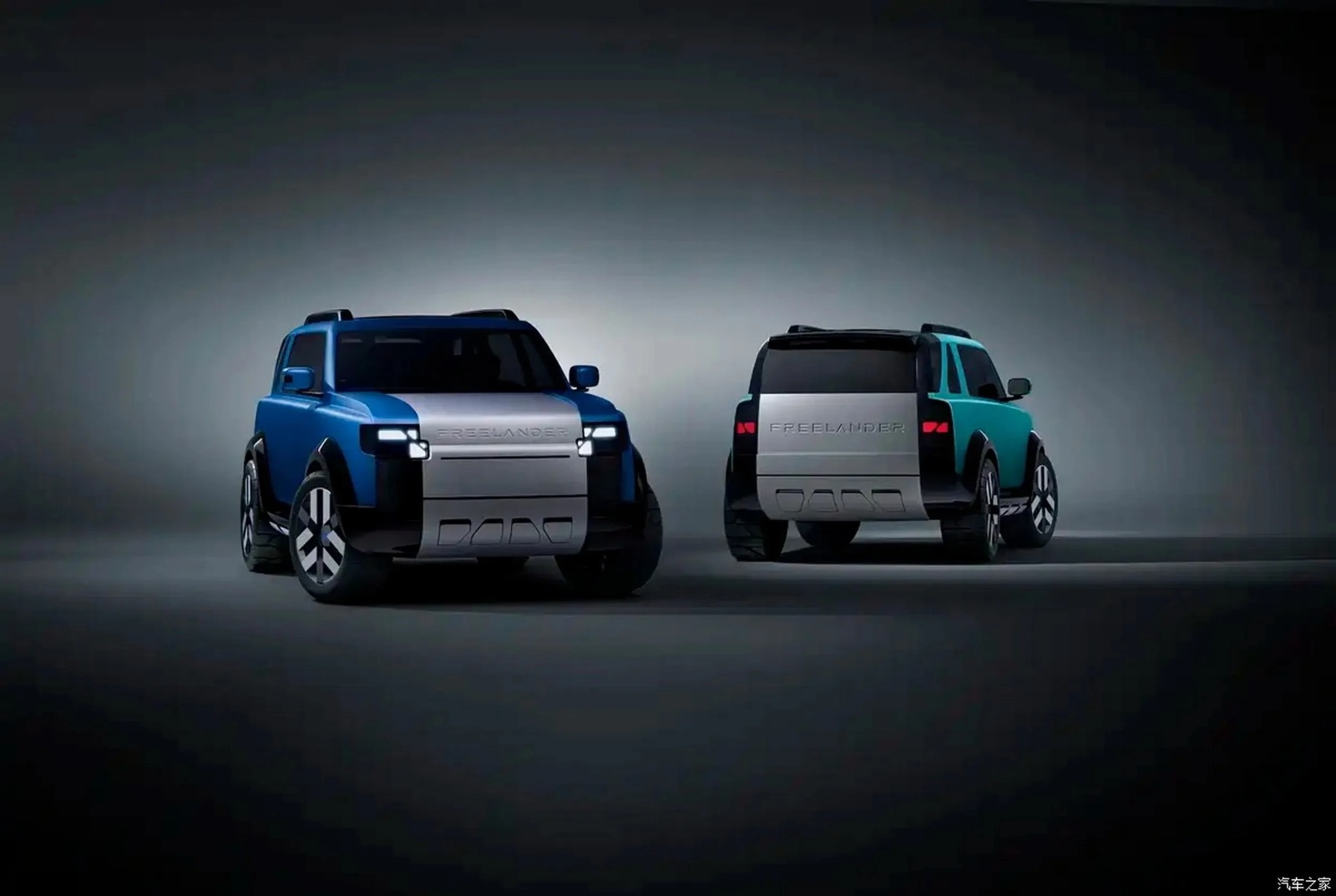
The return of the Freelander name should have been straightforward: bring it back, slot it under Land Rover again, give it a modern update—job done. Except that’s not what’s happening here. Instead, Chery and Jaguar Land Rover have taken a slightly unexpected route. The new Freelander isn’t a Land Rover anymore. It’s not even pretending to be one. It’s being turned into its own brand that will spawn models across categories—the recently previewed Concept 97 will be the first one.
No matter how you look at this development, these five things remain at the heart of this transformation.
1. New Brand…Old Name
You can’t really talk about this without addressing that first. Freelander used to mean “entry-level Land Rover.” That context is gone now. This new brand will sit outside the usual Defender–Discovery–Range Rover structure, which feels deliberate. JLR keeps its core brands intact, while the Freelander brand will explore a different space altogether.
And that space is clearly more mass-premium than traditional luxury. It’s also where the market is getting crowded—fast. The best thing? Freelander will operate independently of both Chery and JLR. In effect, it opens the door for a more experimental approach—one that could prioritise volume and accessibility over traditional brand hierarchy.
2. Design Nostalgia…Not Really
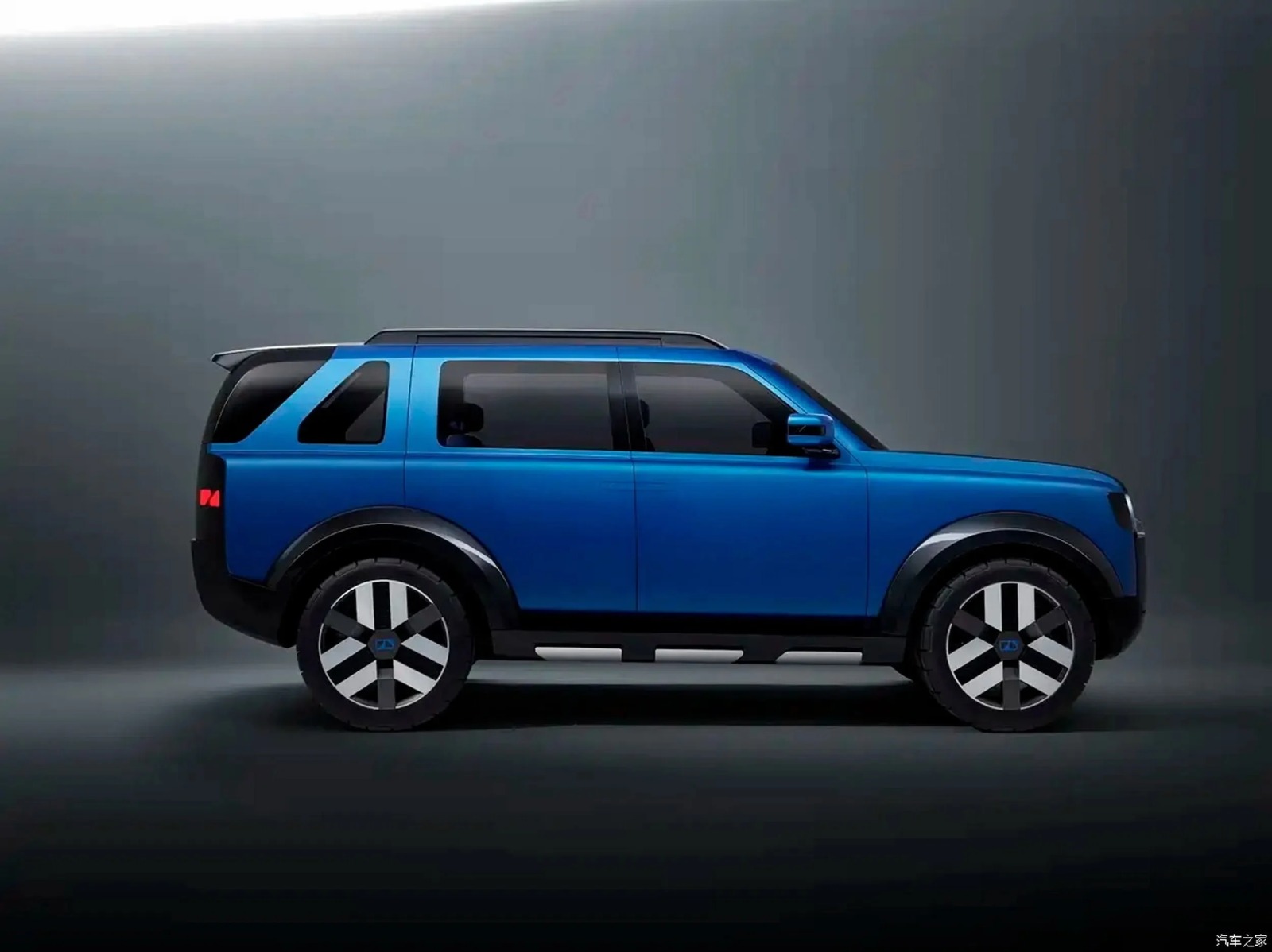
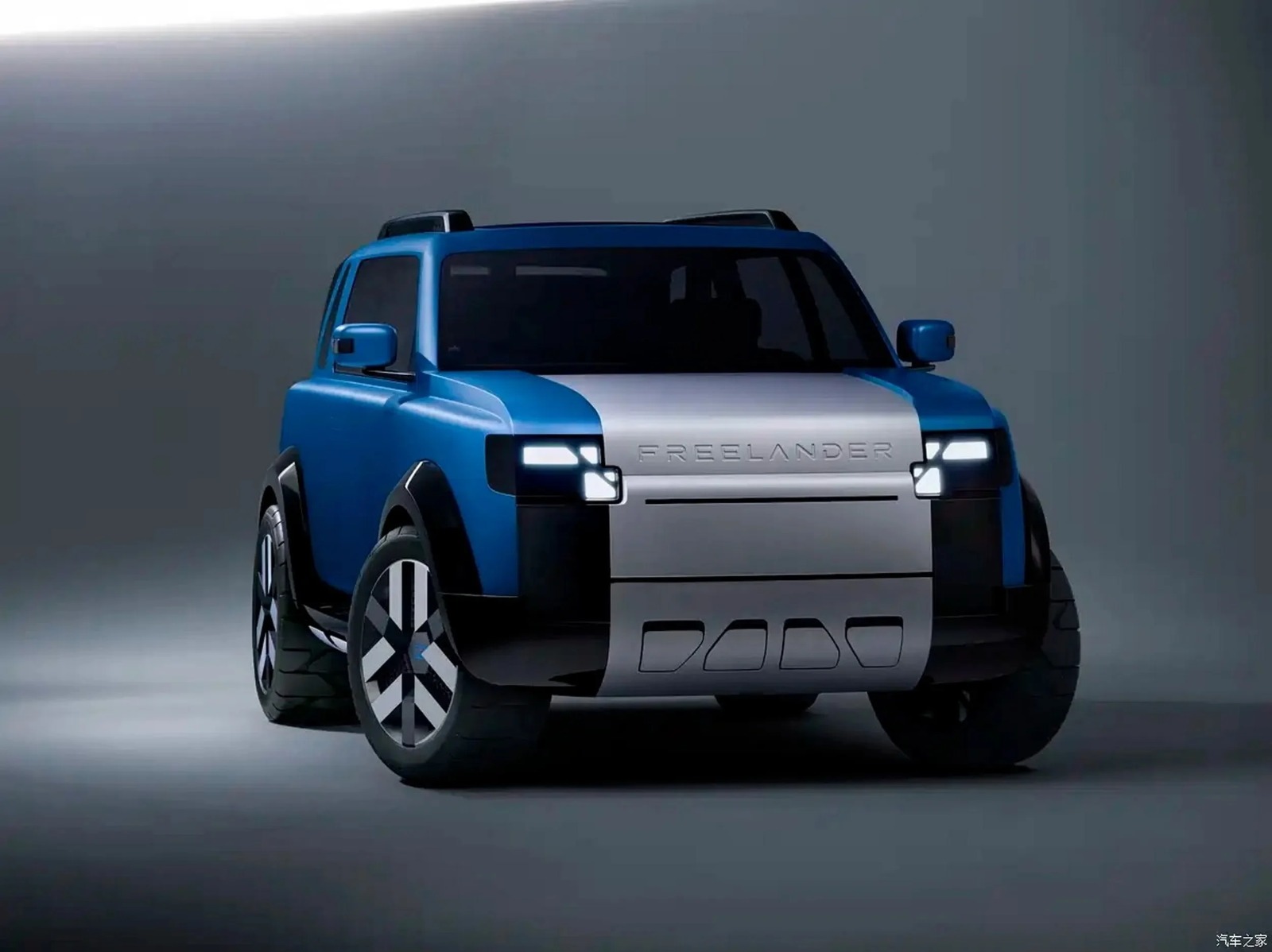
Concept 97 gives us a rough idea of what to expect, and the good news is that it doesn’t try too hard to remind you of the old car. Yes, it’s upright. Yes, it has that squared stance. But beyond that, it is very much a product of the current EV design wave—clean panels, minimal detailing, and proportions doing most of the work.
With a length of 5.1 meters and a wheelbase of 3 meters, the Concept 97 has a substantial footprint. That said, there is a restraint to it that actually helps. No fake toughness, no exaggerated off-road cues. While free-floating infotainment and across-the-dash displays feel contemporary, they look like something built for everyday use rather than weekend adventures that never happen—which, realistically, is what most SUVs are anyway.
3. Electrification…It’s Baseline
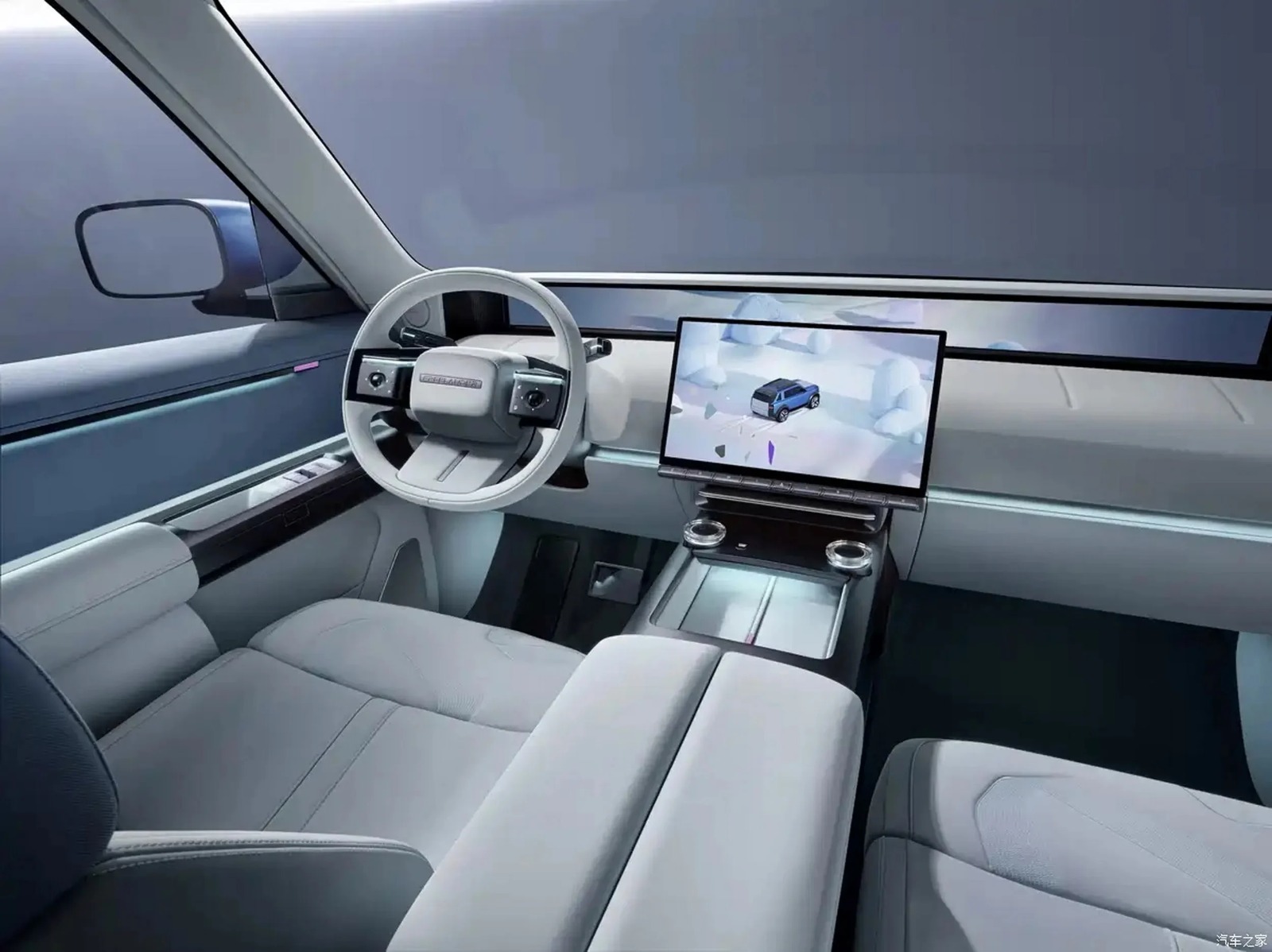
What’s interesting here is that electrification isn’t being treated as a feature—it’s a baseline. The first version from the new brand will likely be a plug-in hybrid, but that feels more like a transitional step than a defining one.
The bigger picture is clearly electric. This is where Chery’s involvement starts to make sense. They have been quick to adopt EV platforms and are not burdened by legacy thinking the way older manufacturers sometimes are. JLR, meanwhile, brings brand perception, design polish, and that sense of—this feels a bit more special than it needs to.
If those two sides actually meet properly, it could work. But if not, it risks feeling like just another EV in a very crowded field.
4. China First…World Later
There was a time when this move might have raised eyebrows. Not anymore. China is where you launch something like this now. The pace is faster, the buyers are more open to new brands, and the competition is already operating at the level everyone else is trying to catch up with.
Chery has the advantage of being on home ground, which takes care of the production side. For JLR, it is a relatively low-risk way of trying something new without immediately putting it in front of its traditional customer base.
What happens after China—and where the new Freelander badge then travels—is the real question. Europe seems likely. India, maybe, but not immediately.
5. SUV Intact…Redefined Slightly
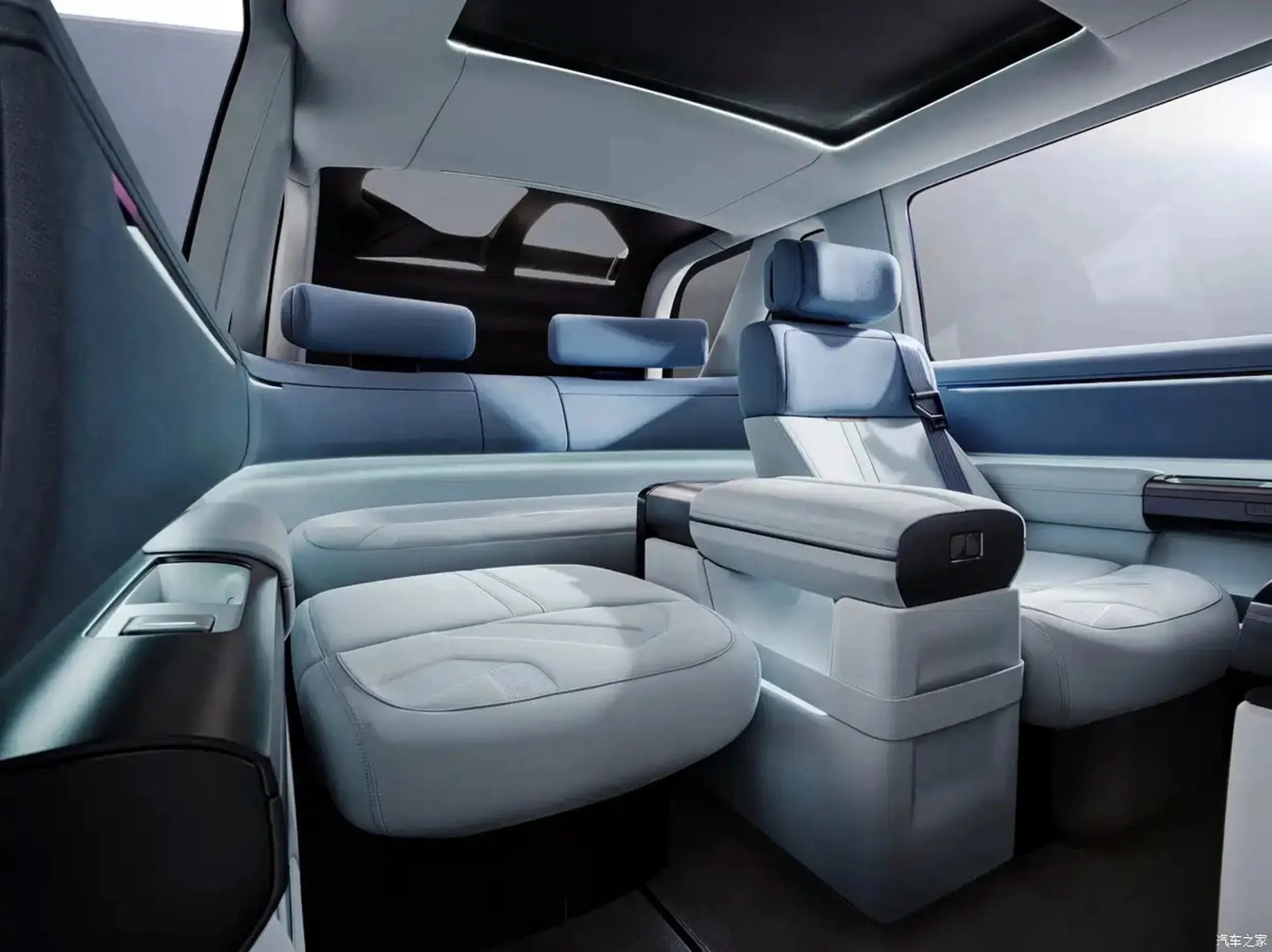
The Freelander hasn’t completely lost its identity—it has just been adjusted. It is still meant to be practical. Still meant to be usable. But the definition of a “capable SUV” has shifted.
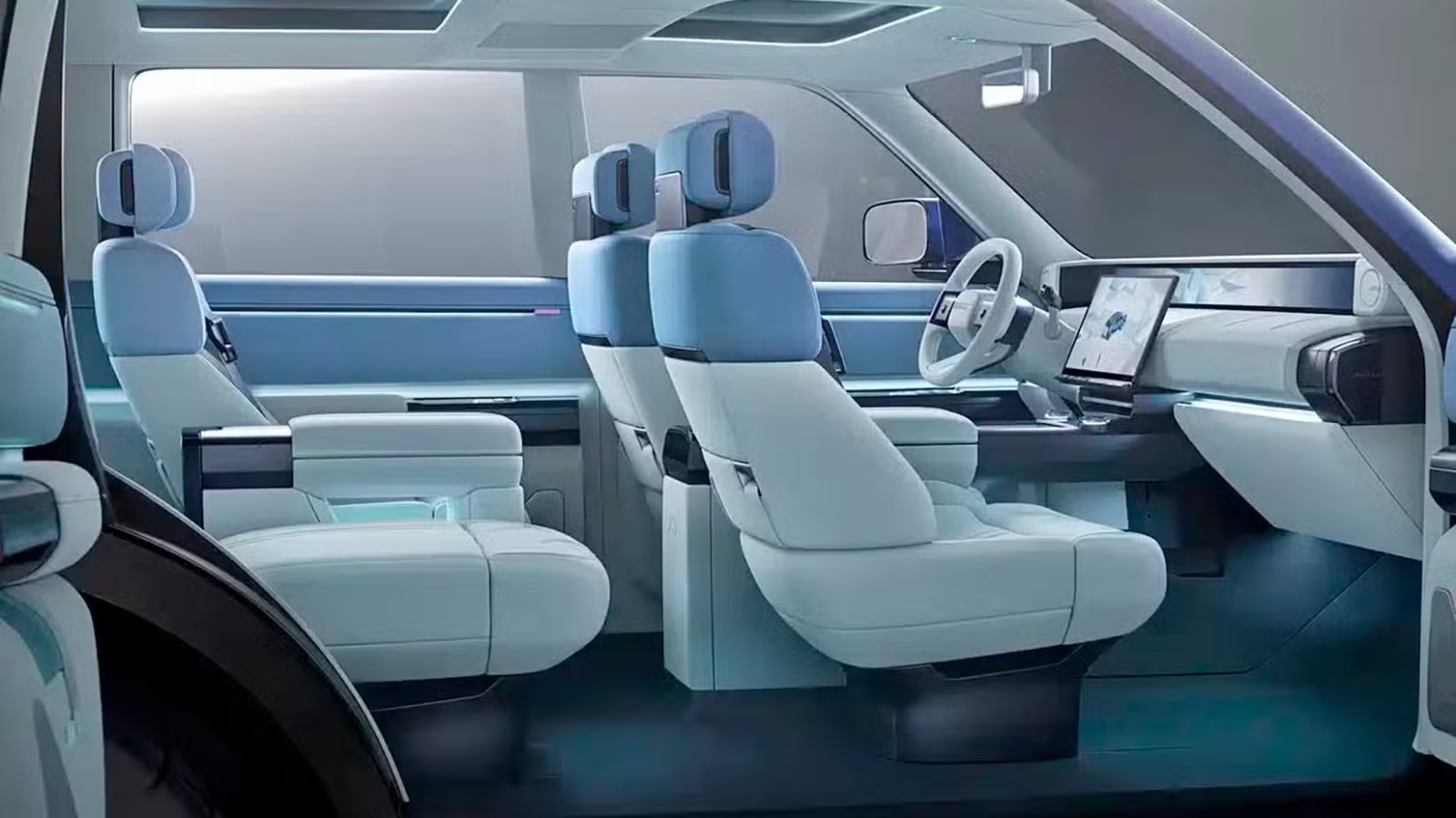
Today, that is less about off-road geometry and more about how easy it is to live with day to day. So the focus of the new Freelander brand shifts to the cabin, the tech, and the general sense of effortlessness. Big screens, connected features, and a quieter drive—the things buyers now notice first.
Conclusion
So, what are we really looking at here? A comeback—not really. This feels more like a test case. Chery gets to move upmarket with some help. Jaguar Land Rover gets to experiment without risking its core brands. And Freelander—well, it gets a second life, just not in the form anyone expected.
Whether that works depends on execution. But at the very least, it is a more interesting approach than simply bringing back an old name and hoping it still means something.